 Heavy TankVersatile
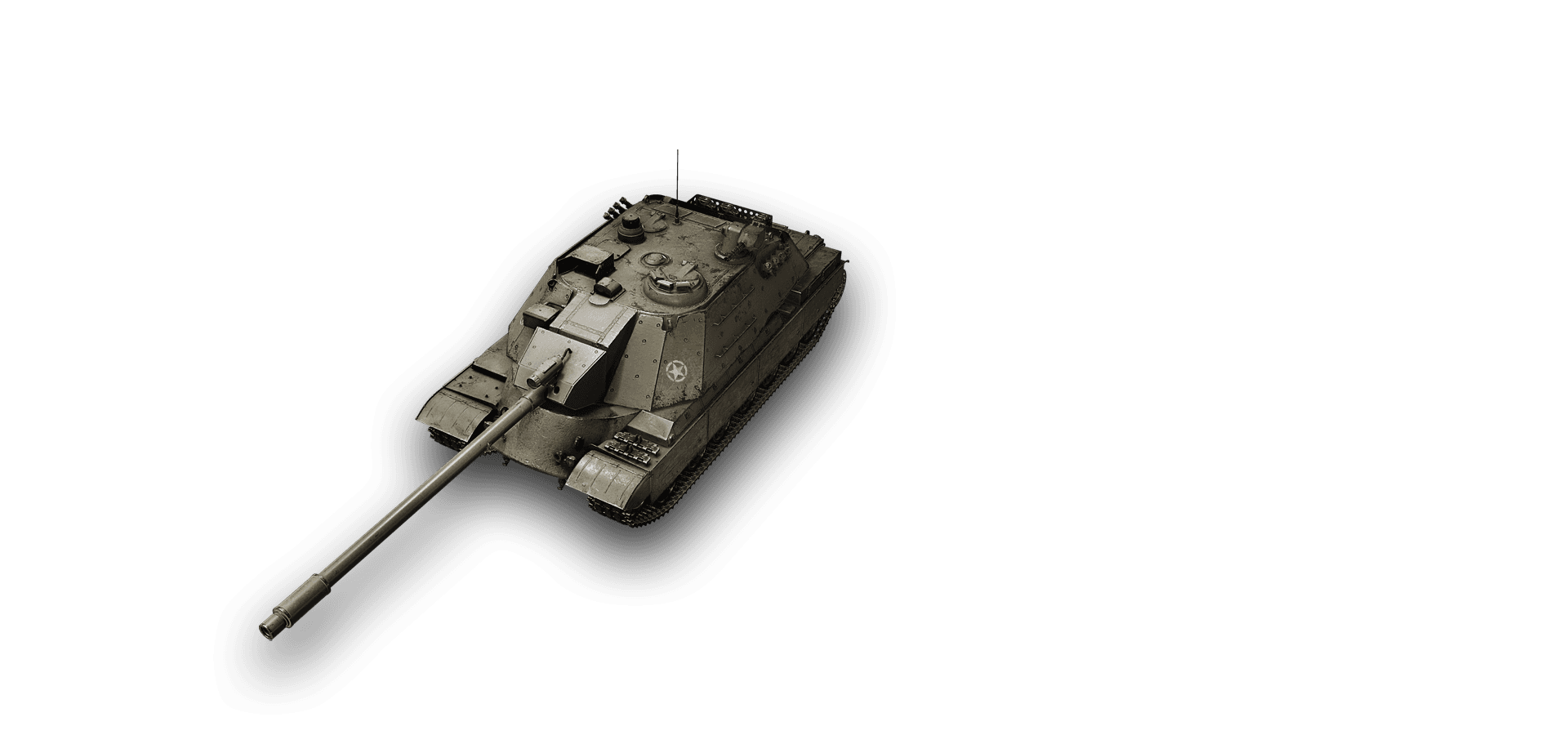
STK-2
World of Tanks EU statistics for the XI Japan heavy tank STK-2.
Tech tree branch of the STK-2


Characteristics of the STK-2
Firepower
- Damage
- 470hp
- … vs modules
- 168hp
- Penetration
- 265mm
- … at 500m
- 245mm
- DPM
- 2,907
- Reload
- 9.70s
- Rate of fire
- 6.19/min
- Aim time
- 2.00s
- Dispersion
- 0.220m
- … moving
- 0.144
- … hull traverse
- 0.144
- … turret traverse
- 0.100
- … after firing
- 4.00×
- … gun damaged
- 2.00×
- Shell velocity
- 1,050m/s
- Max range
- 720m
- Caliber
- 137mm
- … potential damage
- 21,150hp
- Shell cost
- 1,537
- … full ammo
- 69,165
Mobility
- Top speed
- 40km/h
- Reverse speed
- 16km/h
- Engine power
- 1,150hp
- Power/weight
- 17.4hp/t
- Hull traverse
- 30.0°/s
- Turret traverse
- 35.0°/s
- … hard
- 1.10
- … medium
- 1.30
- … soft
- 2.30
- … hard
- 40.0km/h
- … medium
- 40.0km/h
- … soft
- 27.7km/h
- … hard
- 30.0°/s
- … medium
- 25.4°/s
- … soft
- 14.3°/s
Survivability
- Hit points
- 2,450hp
- … front
- 60mm
- … side
- 80mm
- … rear
- 40mm
- … front
- 280mm
- … side
- 150mm
- … rear
- 80mm
- Track armor
- 20mm
- Fire chance
- 10.0%
- Track repair time
- 11.70s
- … ammo rack
- 270 / 203hp
- … track
- 260 / 195hp
- … engine
- 380 / 190hp
- … fuel tank
- 225 / 90hp
- … turret ring
- 200 / 100hp
- … viewport
- 130 / 65hp
Spotting & other
- View range
- 400m
- Signal range
- 800m
- … stationary
- 6.6%
- … moving
- 3.3%
- Weight
- 66.0t
Ammunition
Equipment
Consumables
Directives
Crew Skills

 Commander / Loader
 Gunner
 Driver
 Radio Operator
Upgrades of the STK-2
Click a reachable node to unlock it; each applies its effect to the characteristics above. Colours group nodes by firepower, mobility, survivability and vehicle mechanics.
Modules of the STK-2


Historical reference of the STK-2
While the Type 71 was in the design stage, the Japanese military received partial intel from the U.S.A. about the new Soviet T-64. As a result, they decided to build a more powerful vehicle, designated as the STK-2, alongside the development of the Type 71. The hull and turret were reworked, with the hull front especially reinforced, to increase the level of armoring. In addition, a more powerful engine improved the tank's mobility and crossing capacity. However, the vehicle turned out too expensive and never entered mass production.
Videos of the STK-2
No community video for the STK-2 yet. Suggest one and it shows up here once a moderator has looked at it.
Tanks close to the STK-2
Same standing among their own tier- 88%match
 Type 71X
Closest on concealment and mobility, furthest on survivability
- 87%match
 Vz. 55X
Closest on concealment and gun handling, furthest on survivability
- 85%match
 AMX M4 mle. 54X
Closest on concealment and playstyle, furthest on survivability
- 85%match
 Pz.Kpfw. NeuXI
Closest on concealment and mobility, furthest on playstyle
- 85%match
 Black RockXI
Closest on concealment and mobility, furthest on firepower
- 85%matchT803XI
Closest on concealment and mobility, furthest on survivability