
 Heavy Tank
Mitsu 108
World of Tanks EU statistics for the V Japan heavy tank Mitsu 108.
Tech tree branch of the Mitsu 108


Characteristics of the Mitsu 108
Firepower
- Damage
- 135hp
- … vs modules
- 100hp
- Penetration
- 124mm
- … at 500m
- 108mm
- DPM
- 1,723
- Reload
- 4.70s
- Rate of fire
- 12.77/min
- Aim time
- 2.50s
- Dispersion
- 0.370m
- … moving
- 0.270
- … hull traverse
- 0.270
- … turret traverse
- 0.140
- … after firing
- 3.00×
- … gun damaged
- 2.00×
- Shell velocity
- 780m/s
- Max range
- 720m
- Caliber
- 75mm
- … potential damage
- 10,800hp
- … full ammo
- 6,560
Mobility
- Top speed
- 35km/h
- Reverse speed
- 12km/h
- Engine power
- 650hp
- Power/weight
- 14.5hp/t
- Hull traverse
- 28.0°/s
- Turret traverse
- 30.0°/s
- … hard
- 1.00
- … medium
- 1.10
- … soft
- 1.80
- … hard
- 35.0km/h
- … medium
- 35.0km/h
- … soft
- 29.4km/h
- … hard
- 28.0°/s
- … medium
- 25.5°/s
- … soft
- 15.6°/s
Survivability
- Hit points
- 860hp
- … front
- 70mm
- … side
- 40mm
- … rear
- 30mm
- … front
- 90mm
- … side
- 70mm
- … rear
- 60mm
- Track armor
- 20mm
- Fire chance
- 20.0%
- Track repair time
- 11.82s
- … ammo rack
- 200 / 135hp
- … track
- 95 / 71hp
- … engine
- 200 / 100hp
- … fuel tank
- 200 / 70hp
- … turret ring
- 120 / 60hp
- … viewport
- 70 / 35hp
Spotting & other
- View range
- 340m
- Signal range
- 550m
- … stationary
- 4.2%
- … moving
- 2.1%
- Weight
- 44.9t
Ammunition
Equipment
Consumables
Directives
Crew Skills

 Commander
 Gunner
 Driver
 Radio Operator
 Radio Operator
 Loader
Modules of the Mitsu 108


Historical reference of the Mitsu 108
The Mitsu 108 heavy tank project was developed in accordance with the 1930s concept, which dictated that heavy breakout tanks were to be built with light anti-projectile armor and several turrets. Due to the large dimensions of the vehicle, its suspension elements were partially covered by screens. By 1942, the program reached its final stage, but by this time the tank was considered obsolete and was not in demand.
Videos of the Mitsu 108
No community video for the Mitsu 108 yet. Suggest one and it shows up here once a moderator has looked at it.
Tanks close to the Mitsu 108
Same standing among their own tier- 84%match
 Type 3 Ju-NuVI
Closest on concealment and survivability, furthest on firepower
- 83%matchO-I ExperimentalV
Closest on concealment and mobility, furthest on firepower
- 82%match
 BDR G1 BV
Closest on concealment and firepower, furthest on playstyle
- 81%match
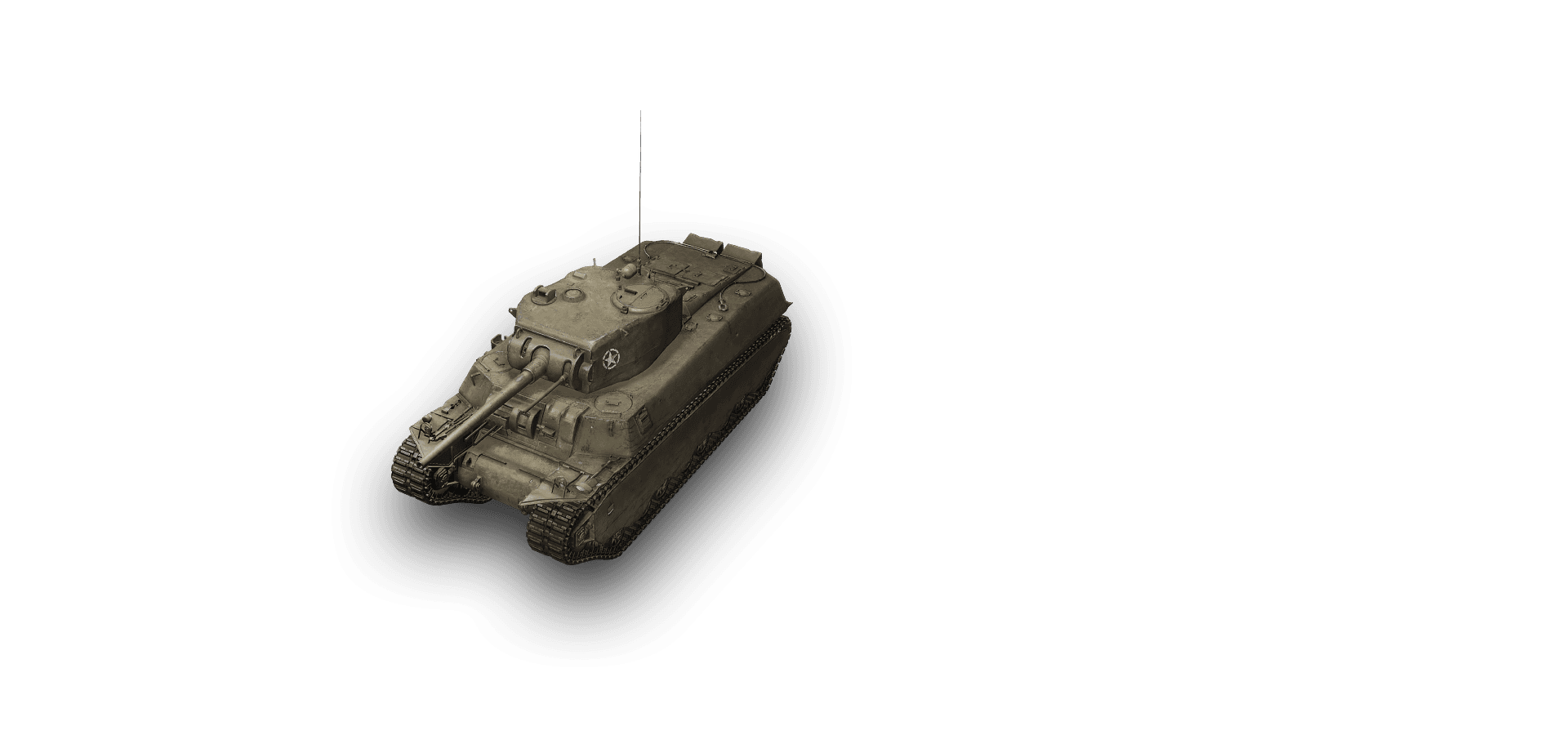
 T1 HeavyV
Closest on concealment and mobility, furthest on playstyle
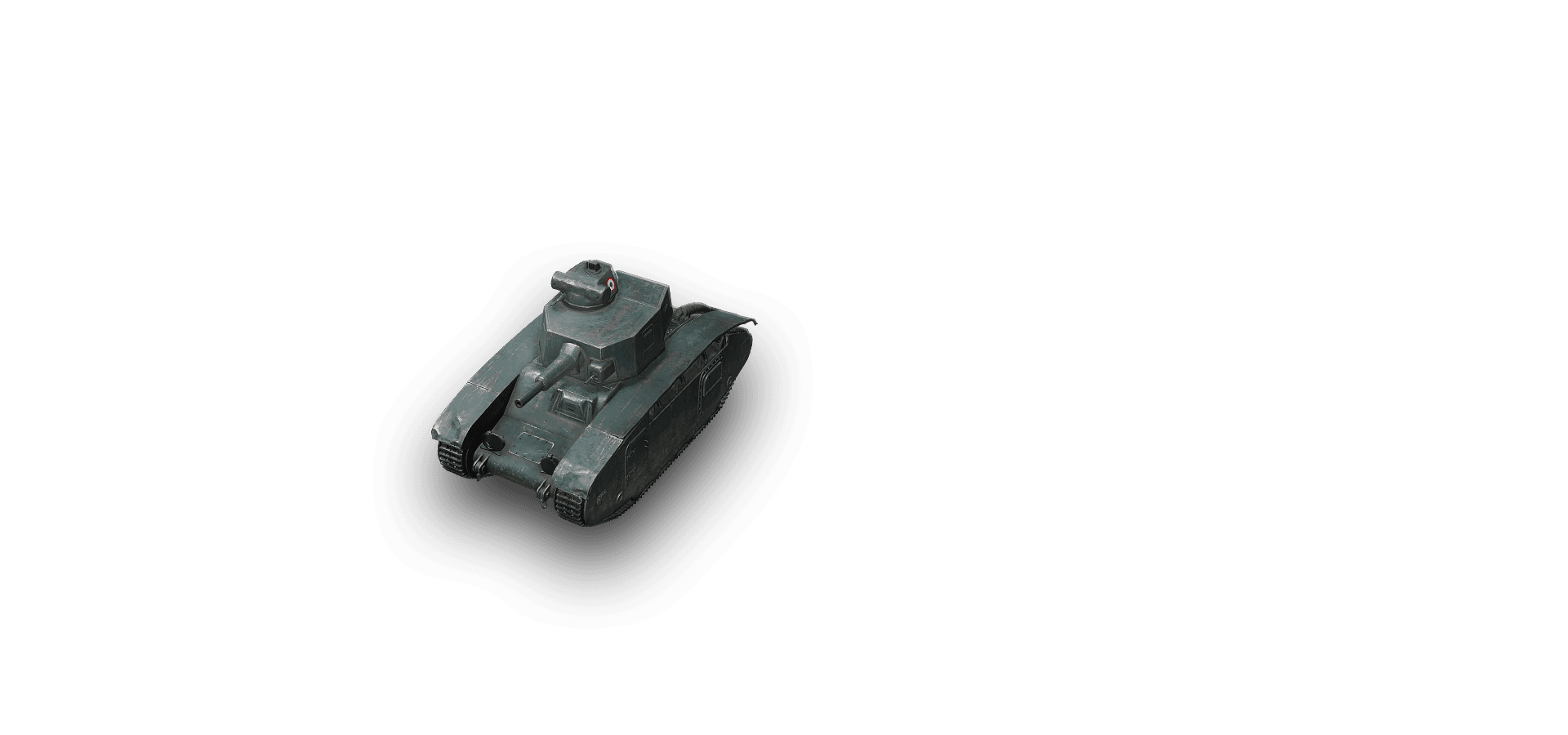
- 81%matchM6VI
Closest on concealment and mobility, furthest on playstyle
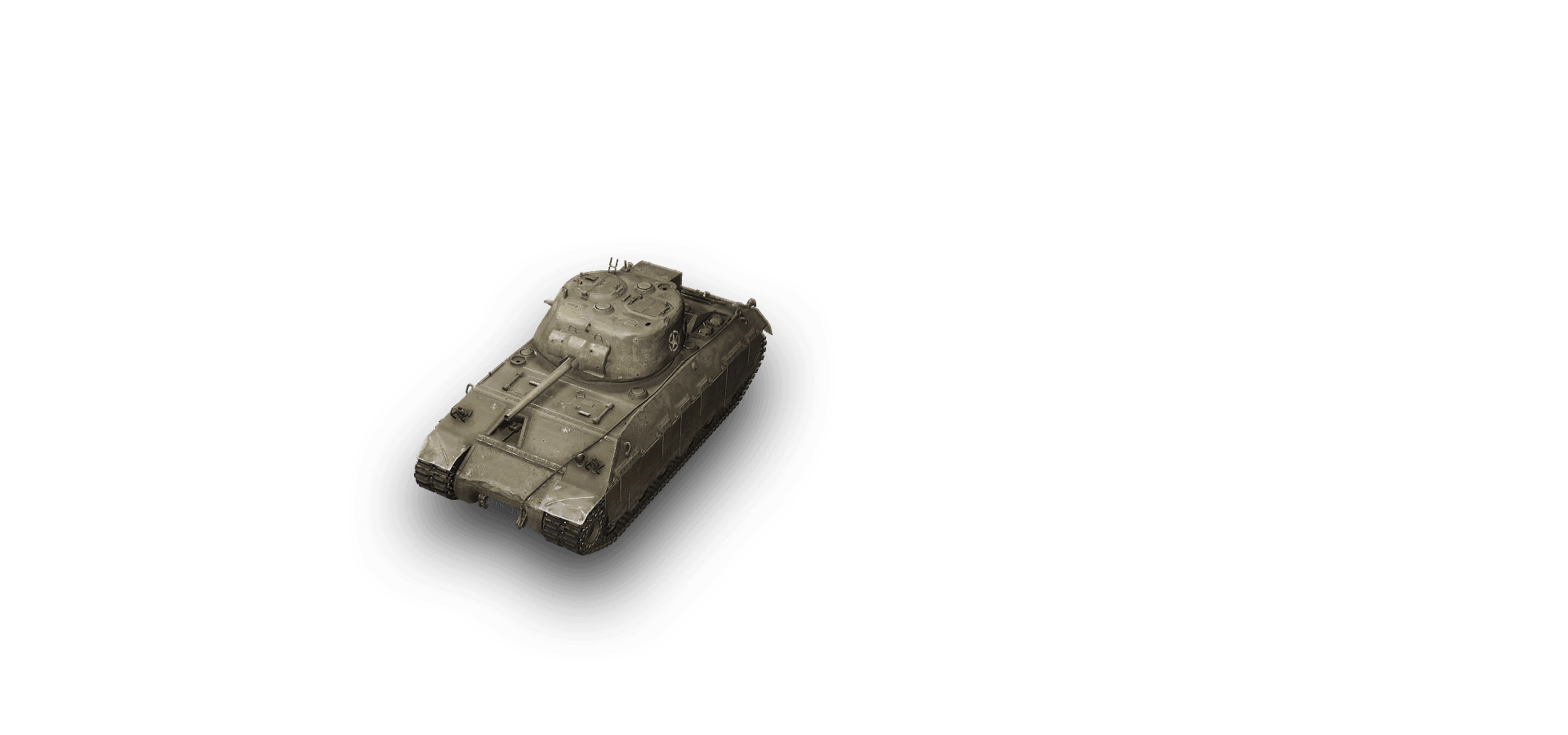
- 80%matchT14V
Closest on concealment and mobility, furthest on firepower