
 Light TankSupportPremium
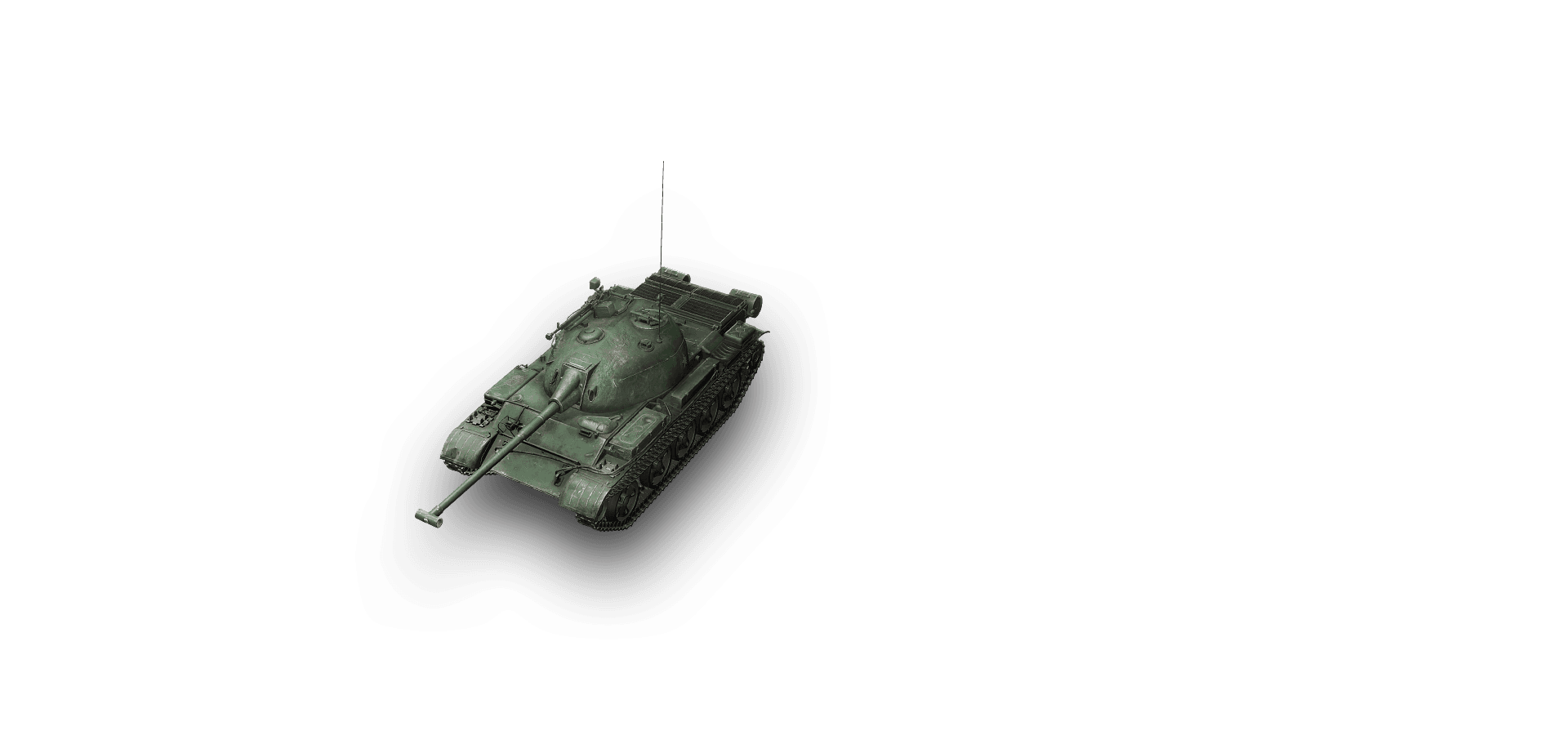
Vz. 68 Squall
World of Tanks EU statistics for the VIII Czechoslovakia light tank Vz. 68 Squall.
Characteristics of the Vz. 68 Squall
Firepower
- Damage
- 8hp
- … vs modules
- 4hp
- Penetration
- 182mm
- … at 500m
- 168mm
- DPM
- 2,034
- Reload
- 20.00s
- … intra-clip
- 0.04s
- Clip size
- 100
- … clip damage
- 800hp
- Rate of fire
- 254.24/min
- Aim time
- 2.20s
- Dispersion
- 0.400m
- … moving
- 0.120
- … hull traverse
- 0.120
- … turret traverse
- 0.080
- … after firing
- 3.00×
- … gun damaged
- 2.00×
- Shell velocity
- 750m/s
- Max range
- 720m
- Caliber
- 50mm
- Ammo capacity
- 1,600
- … potential damage
- 12,800hp
- … full ammo
- 19,200
Mobility
- Top speed
- 55km/h
- Reverse speed
- 21km/h
- Engine power
- 570hp
- Power/weight
- 27.1hp/t
- Hull traverse
- 45.0°/s
- Turret traverse
- 42.0°/s
- … hard
- 0.30
- … medium
- 0.40
- … soft
- 1.10
- … hard
- 55.0km/h
- … medium
- 55.0km/h
- … soft
- 55.0km/h
- … hard
- 45.0°/s
- … medium
- 33.7°/s
- … soft
- 12.3°/s
Survivability
- Hit points
- 1,100hp
- … front
- 20mm
- … side
- 20mm
- … rear
- 20mm
- … front
- 30mm
- … side
- 20mm
- … rear
- 20mm
- Track armor
- 10mm
- Fire chance
- 15.0%
- Track repair time
- 10.03s
- … ammo rack
- 220 / 150hp
- … track
- 200 / 150hp
- … engine
- 255 / 127hp
- … fuel tank
- 175 / 70hp
- … turret ring
- 140 / 70hp
- … viewport
- 100 / 50hp
Spotting & other
- View range
- 380m
- Signal range
- 730m
- … stationary
- 18.2%
- … moving
- 18.2%
- Weight
- 21.0t
Ammunition
Equipment
Consumables
Directives
Field Modifications
Crew Skills

 Commander / Radio Operator
 Gunner / Loader
 Driver
Modules of the Vz. 68 Squall


Historical reference of the Vz. 68 Squall
In response to the Western European program for airborne tanks (Spähpanzer), the Czechoslovak Socialist Republic considered several options for armament of its own light vehicles. The most promising among these was the option of twin mounted 30-57 mm autocannons that would use shells with better penetration. Initially, the list of requirements for the tank being developed included the ability to traverse water, but due to increased armoring this faded into the background. Emphasis was also placed on high mobility and a small frontal projection area, which ensured the vehicle's survivability on the battlefield. The project did not enter production due to economic reasons.
Videos of the Vz. 68 Squall
No community video for the Vz. 68 Squall yet. Suggest one and it shows up here once a moderator has looked at it.
Tanks close to the Vz. 68 Squall
Same standing among their own tier- 92%match
 Vz. 64 BleskVIII
Closest on firepower and playstyle, furthest on gun handling
- 91%matchLPT-67 ŠelmaIX
Closest on firepower and playstyle, furthest on gun handling
- 86%match
 WZ-132VIII
Closest on playstyle and concealment, furthest on firepower
- 86%matchWZ-132AIX
Closest on survivability and playstyle, furthest on firepower
- 86%match
 Bat.-Châtillon 12 tVIII
Closest on concealment and survivability, furthest on gun handling
- 86%match
 T92VIII
Closest on concealment and playstyle, furthest on gun handling