
 Heavy TankVersatile
FV4025 Contriver
World of Tanks EU statistics for the XI U.K. heavy tank FV4025 Contriver.
Tech tree branch of the FV4025 Contriver


Characteristics of the FV4025 Contriver
Firepower
- Damage
- 440hp
- … vs modules
- 154hp
- Penetration
- 265mm
- … at 500m
- 245mm
- DPM
- 2,640
- Reload
- 10.00s
- Rate of fire
- 6.00/min
- Aim time
- 2.00s
- Dispersion
- 0.330m
- … moving
- 0.155
- … hull traverse
- 0.155
- … turret traverse
- 0.110
- … after firing
- 4.00×
- … gun damaged
- 2.00×
- Shell velocity
- 1,050m/s
- Max range
- 720m
- Caliber
- 114mm
- … potential damage
- 30,800hp
- Shell cost
- 1,315
- … full ammo
- 92,050
Mobility
- Top speed
- 38km/h
- Reverse speed
- 12km/h
- Engine power
- 1,400hp
- Power/weight
- 14.0hp/t
- Hull traverse
- 23.0°/s
- Turret traverse
- 30.0°/s
- … hard
- 1.10
- … medium
- 1.30
- … soft
- 2.30
- … hard
- 38.0km/h
- … medium
- 38.0km/h
- … soft
- 22.3km/h
- … hard
- 23.0°/s
- … medium
- 19.5°/s
- … soft
- 11.0°/s
Survivability
- Hit points
- 2,500hp
- … front
- 150mm
- … side
- 110mm
- … rear
- 50mm
- … front
- 370mm
- … side
- 120mm
- … rear
- 70mm
- Track armor
- 20mm
- Fire chance
- 15.0%
- Track repair time
- 11.70s
- … ammo rack
- 270 / 203hp
- … track
- 260 / 195hp
- … engine
- 380 / 190hp
- … fuel tank
- 225 / 90hp
- … turret ring
- 200 / 100hp
- … viewport
- 130 / 65hp
Spotting & other
- View range
- 390m
- Signal range
- 800m
- … stationary
- 4.2%
- … moving
- 2.1%
- Weight
- 100.0t
Ammunition
Equipment
Consumables
Directives
Crew Skills

 Commander / Radio Operator
 Gunner
 Driver
 Loader
 Loader
Upgrades of the FV4025 Contriver
Click a reachable node to unlock it; each applies its effect to the characteristics above. Colours group nodes by firepower, mobility, survivability and vehicle mechanics.
Modules of the FV4025 Contriver


Historical reference of the FV4025 Contriver
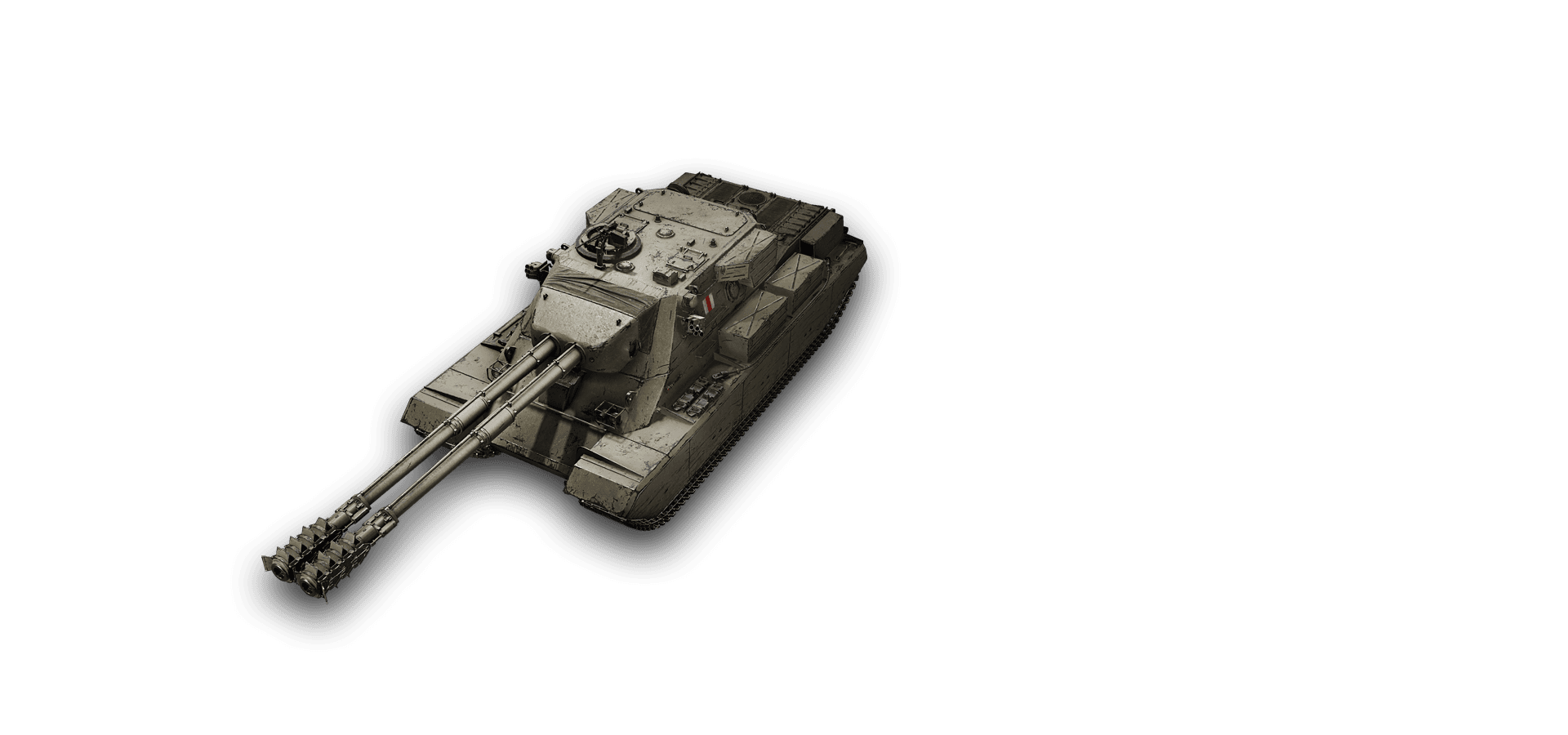
In the late '50s to early '60s, the U.K. was actively working to develop double-barreled coastal defense tanks. During the process, it became clear that due to their heavy weight, these vehicles had a very high contact pressure factor which badly needed to be reduced. The idea of a four-tracked tank thus emerged. Intelligence data on the Object 279 received in the U.S.S.R. was applied in the vehicle's development, but the concept was altered somewhat. The outer tracks were made lighter than the inner ones, and the suspension system was replaced with a British one with vertical coil springs. The whole chassis was mounted on an open riveted c-channel frame; however, construction was so complex that the project was terminated before it began.
Videos of the FV4025 Contriver
No community video for the FV4025 Contriver yet. Suggest one and it shows up here once a moderator has looked at it.
Tanks close to the FV4025 Contriver
Same standing among their own tier- 87%match
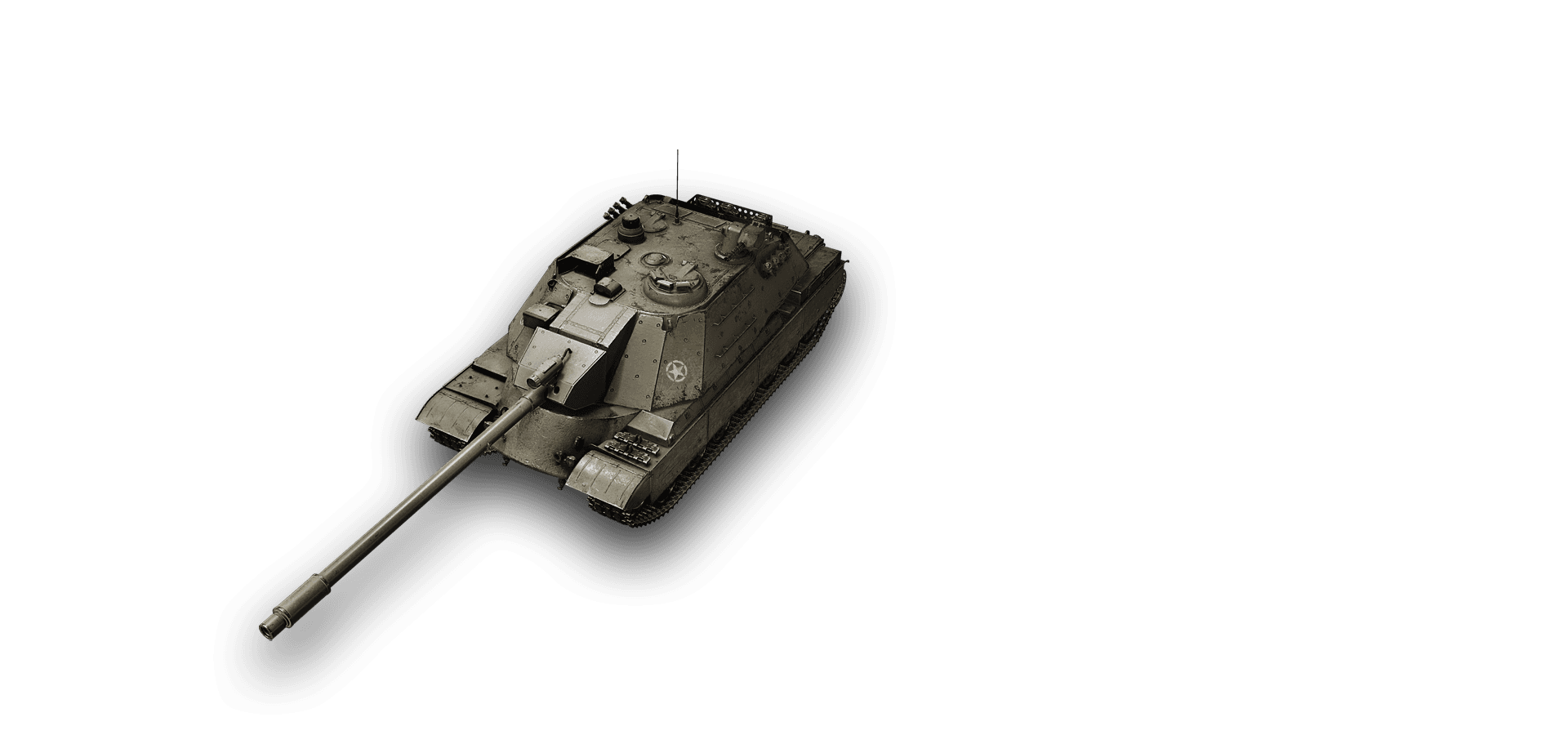
 FV230 CanopenerX
Closest on concealment and mobility, furthest on survivability
- 87%match
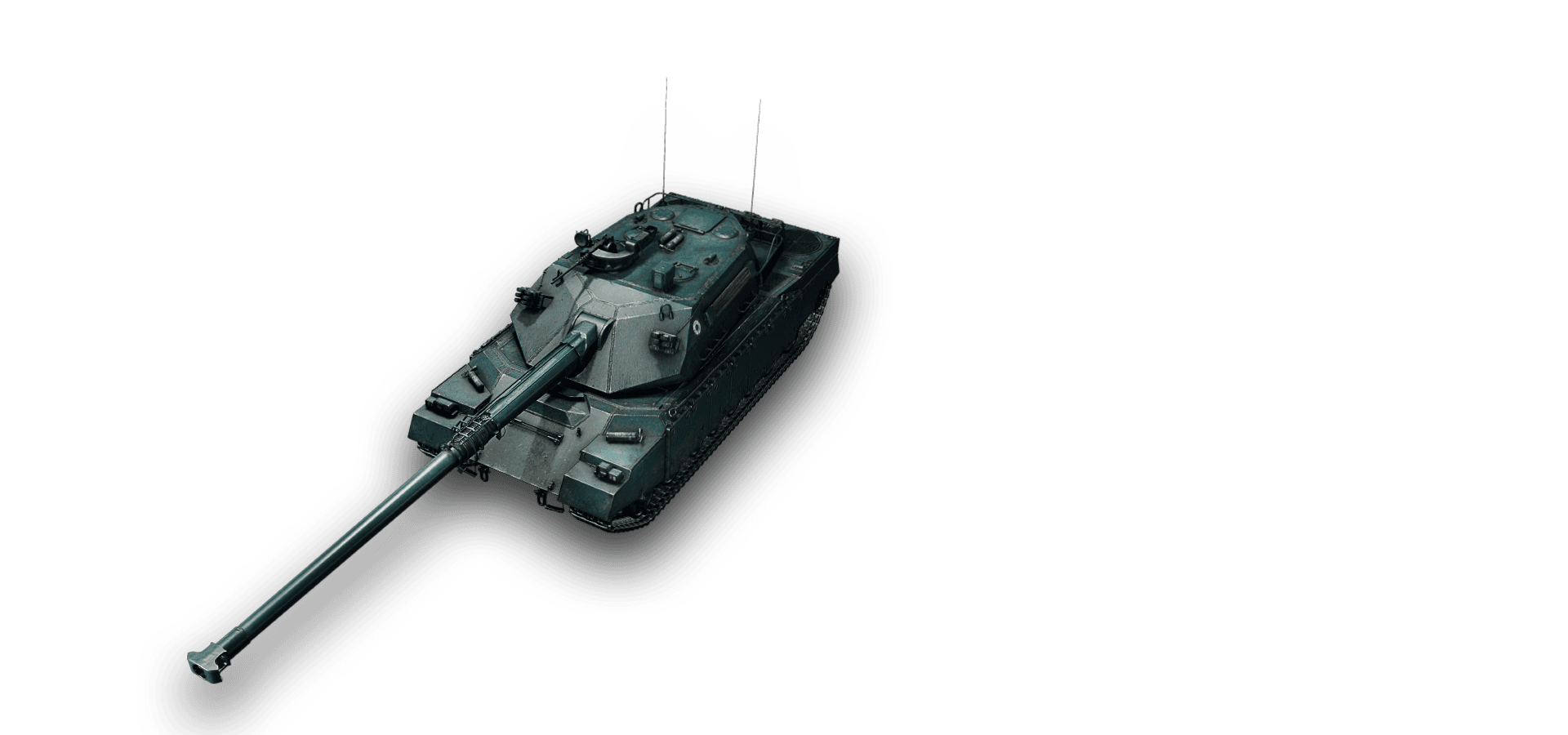
 T803XI
Closest on concealment and gun handling, furthest on survivability
- 86%match
 Pz.Kpfw. NeuXI
Closest on concealment and survivability, furthest on playstyle
- 86%match
 FauteurXI
Closest on concealment and survivability, furthest on gun handling
- 85%matchBlack RockXI
Closest on concealment and survivability, furthest on playstyle
- 84%match
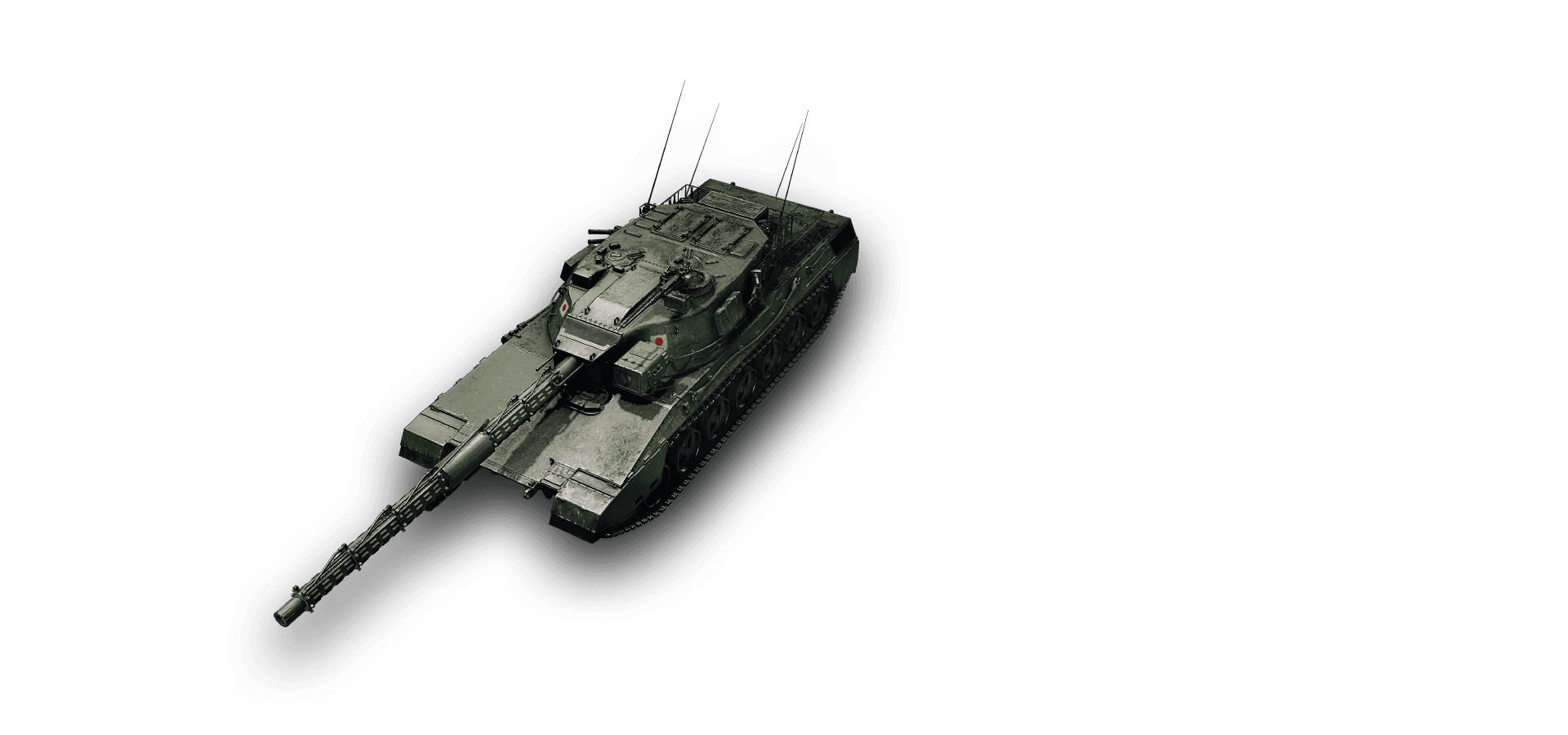
 STK-2XI
Closest on concealment and mobility, furthest on gun handling