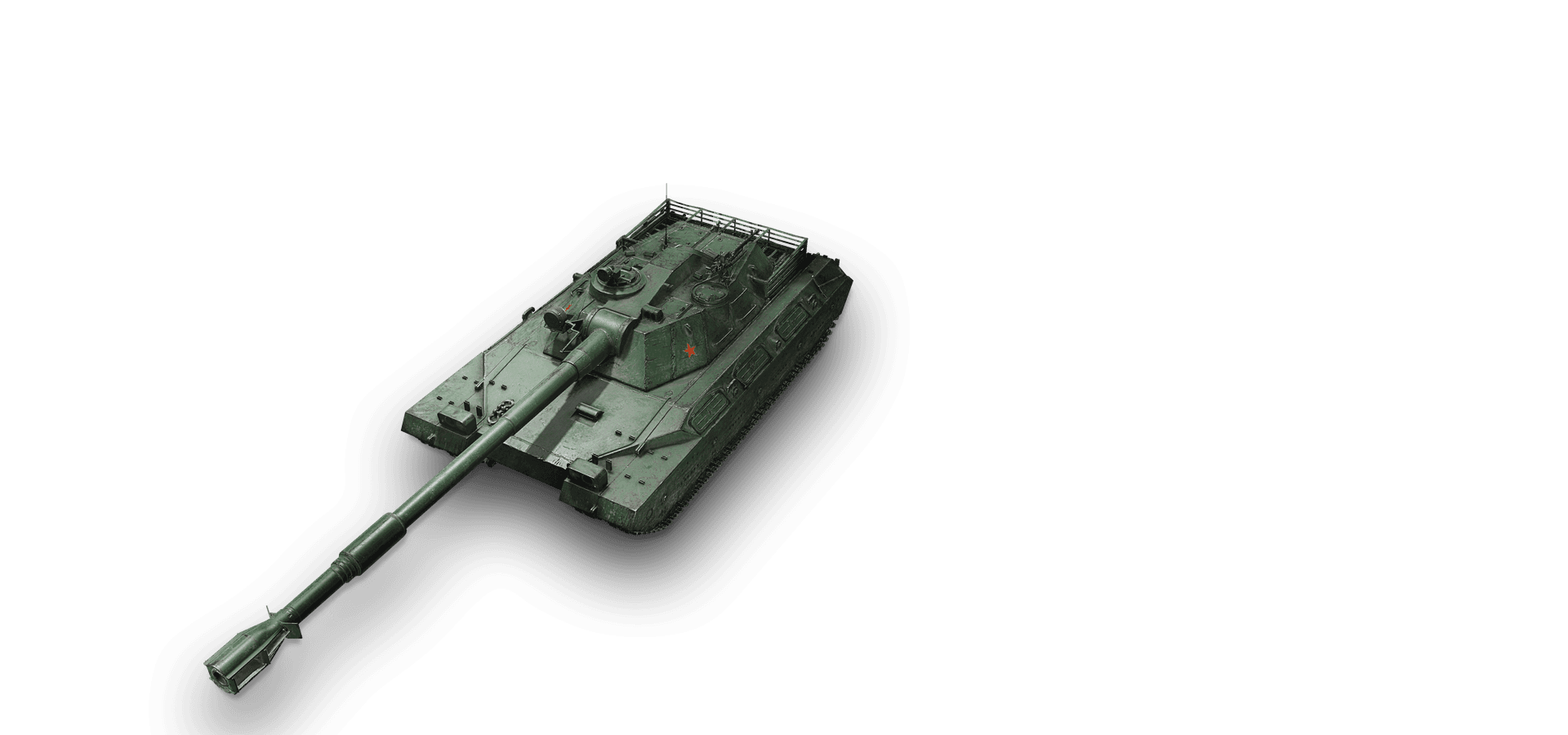

 Heavy TankAssaultPremium
CC-46 Pancernik
World of Tanks EU statistics for the IX Poland heavy tank CC-46 Pancernik.
Characteristics of the CC-46 Pancernik
Firepower
- Damage
- 650hp
- … vs modules
- 210hp
- Penetration
- 248mm
- … at 500m
- 232mm
- DPM
- 1,857
- Reload
- 21.00s
- Rate of fire
- 2.86/min
- Aim time
- 3.20s
- Dispersion
- 0.440m
- … moving
- 0.250
- … hull traverse
- 0.250
- … turret traverse
- 0.120
- … after firing
- 4.00×
- … gun damaged
- 2.00×
- Shell velocity
- 900m/s
- Max range
- 720m
- Caliber
- 155mm
- … potential damage
- 19,500hp
- Shell cost
- 1,486
- … full ammo
- 44,580
Mobility
- Top speed
- 30km/h
- Reverse speed
- 12km/h
- Engine power
- 1,100hp
- Power/weight
- 11.0hp/t
- Hull traverse
- 20.0°/s
- Turret traverse
- 20.0°/s
- … hard
- 1.00
- … medium
- 1.20
- … soft
- 2.00
- … hard
- 30.0km/h
- … medium
- 30.0km/h
- … soft
- 20.1km/h
- … hard
- 20.0°/s
- … medium
- 16.7°/s
- … soft
- 10.0°/s
Survivability
- Hit points
- 1,900hp
- … front
- 300mm
- … side
- 120mm
- … rear
- 80mm
- … front
- 350mm
- … side
- 120mm
- … rear
- 90mm
- Track armor
- 20mm
- Fire chance
- 15.0%
- Track repair time
- 11.70s
- … ammo rack
- 230 / 173hp
- … track
- 240 / 180hp
- … engine
- 310 / 155hp
- … fuel tank
- 200 / 70hp
- … turret ring
- 170 / 85hp
- … viewport
- 110 / 55hp
Spotting & other
- View range
- 380m
- Signal range
- 700m
- … stationary
- 4.8%
- … moving
- 2.4%
- Weight
- 100.0t
Ammunition
Equipment
Consumables
Directives
Field Modifications
Crew Skills

 Commander / Radio Operator
 Gunner
 Driver
 Loader
Modules of the CC-46 Pancernik


Historical reference of the CC-46 Pancernik
In the CC-46 Pancernik project, instead of a classic single-loop chassis, the designers opted for a dual-loop one with power supply to the whole track loop. This layout had a lot of advantages but was harder to implement. The loops could operate in different modes: separately in traction or free mode, or together. Their mirror symmetry meant the driving direction could quickly be switched the opposite way. The work was terminated at the blueprint phase.
Videos of the CC-46 Pancernik
No community video for the CC-46 Pancernik yet. Suggest one and it shows up here once a moderator has looked at it.
Tanks close to the CC-46 Pancernik
Same standing among their own tier- 88%match
 BZT-70X
Closest on mobility and firepower, furthest on concealment
- 86%matchBZ-68IX
Closest on concealment and gun handling, furthest on playstyle
- 86%match
 E 100X
Closest on mobility and concealment, furthest on playstyle
- 86%matchSchwertwalX
Closest on mobility and concealment, furthest on playstyle
- 86%matchVK 75.01 (K)VIII
Closest on concealment and firepower, furthest on gun handling
- 85%match
 Type 5 HeavyX
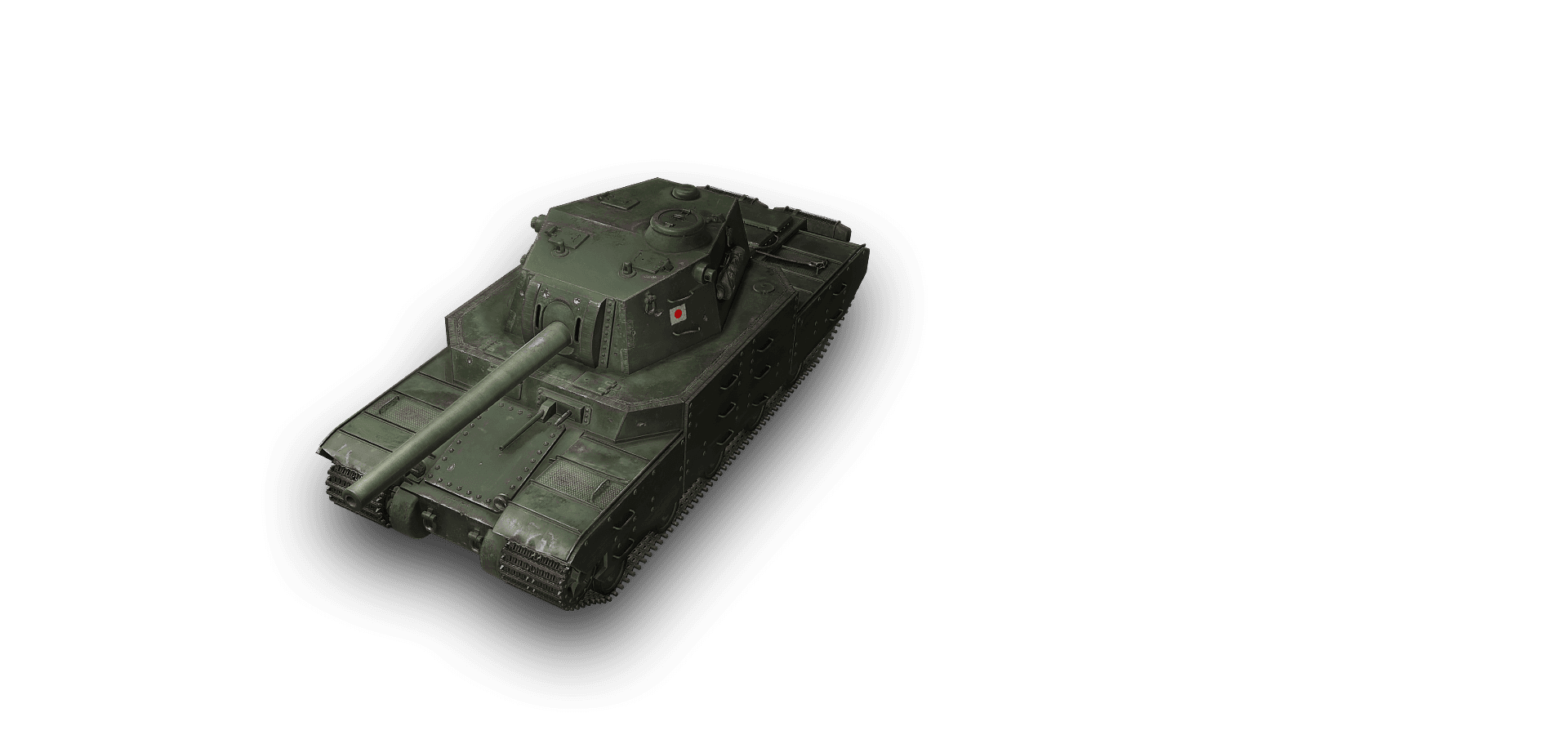
Closest on mobility and concealment, furthest on gun handling