
 Heavy TankAssault
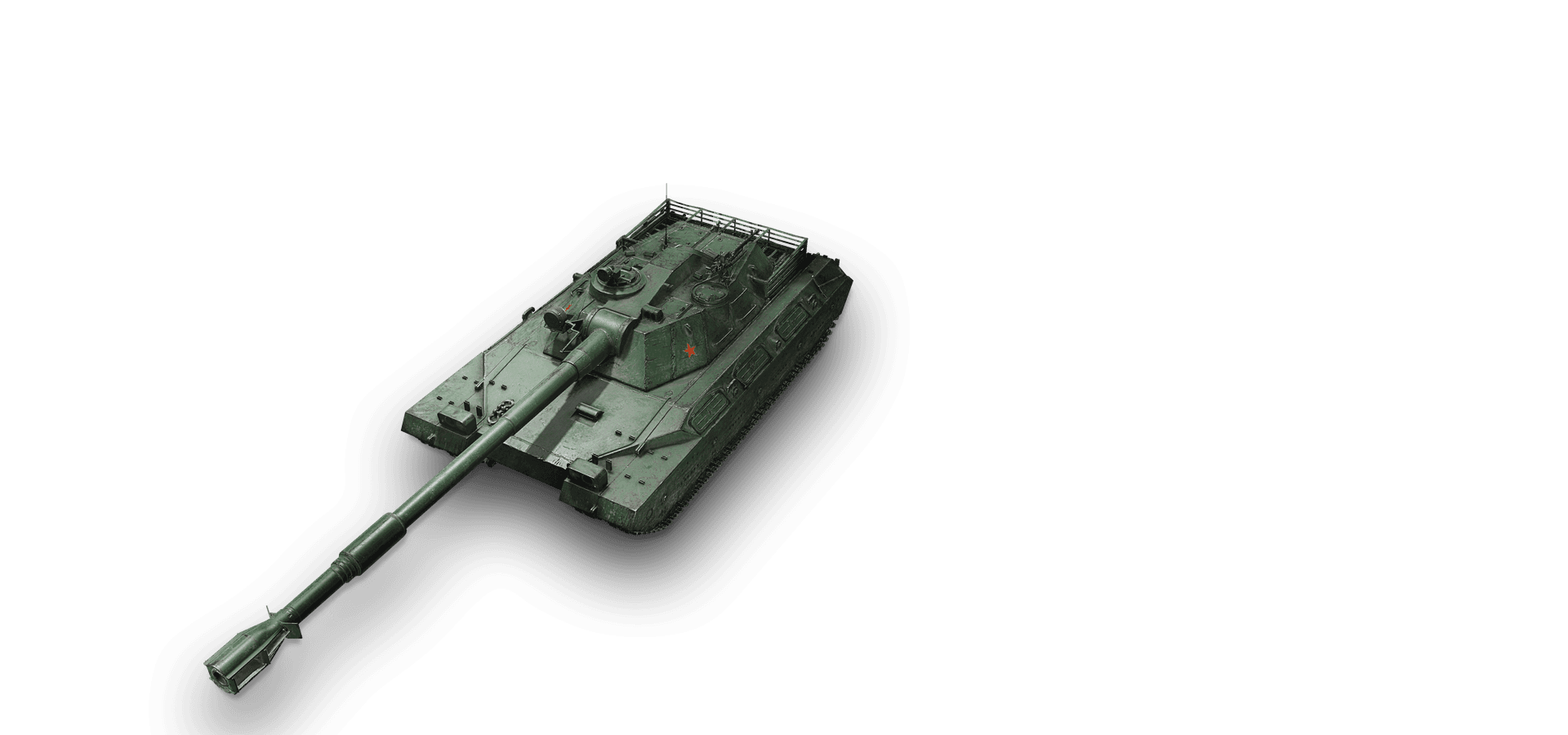
BZ-79
World of Tanks EU statistics for the XI China heavy tank BZ-79.
Tech tree branch of the BZ-79


Characteristics of the BZ-79
Firepower
- Damage
- 690hp
- … vs modules
- 203hp
- Penetration
- 260mm
- … at 500m
- 252mm
- DPM
- 2,435
- Reload
- 17.00s
- Rate of fire
- 3.53/min
- Aim time
- 2.80s
- Dispersion
- 0.420m
- … moving
- 0.200
- … hull traverse
- 0.200
- … turret traverse
- 0.133
- … after firing
- 4.00×
- … gun damaged
- 2.00×
- Shell velocity
- 1,150m/s
- Max range
- 720m
- Caliber
- 152mm
- … potential damage
- 20,700hp
- Shell cost
- 2,007
- … full ammo
- 60,210
Mobility
- Top speed
- 30km/h
- Reverse speed
- 15km/h
- Engine power
- 850hp
- Power/weight
- 13.1hp/t
- Hull traverse
- 30.0°/s
- Turret traverse
- 24.0°/s
- … hard
- 1.20
- … medium
- 1.60
- … soft
- 2.70
- … hard
- 30.0km/h
- … medium
- 29.9km/h
- … soft
- 17.7km/h
- … hard
- 30.0°/s
- … medium
- 22.5°/s
- … soft
- 13.3°/s
Survivability
- Hit points
- 2,740hp
- … front
- 150mm
- … side
- 120mm
- … rear
- 60mm
- … front
- 340mm
- … side
- 150mm
- … rear
- 70mm
- Track armor
- 20mm
- Fire chance
- 12.0%
- Track repair time
- 11.70s
- … ammo rack
- 270 / 203hp
- … track
- 260 / 195hp
- … engine
- 380 / 190hp
- … fuel tank
- 225 / 90hp
- … turret ring
- 200 / 100hp
- … viewport
- 130 / 65hp
Spotting & other
- View range
- 390m
- Signal range
- 800m
- … stationary
- 6.4%
- … moving
- 3.2%
- Weight
- 65.0t
Ammunition
Equipment
Consumables
Directives
Crew Skills

 Commander / Radio Operator
 Driver
 Gunner
 Loader
Upgrades of the BZ-79
Click a reachable node to unlock it; each applies its effect to the characteristics above. Colours group nodes by firepower, mobility, survivability and vehicle mechanics.
Modules of the BZ-79


Historical reference of the BZ-79
A project for a Chinese heavy tank from the mid-1970s, including design solutions that were advanced for the time. Among these were a 152 mm rifled gun, a powerful multifuel opposed-piston engine, and a welded, complex-shaped hull and turret with additional armor modules. To develop the chassis, the engineers drew on experience from American Patton series tanks and West German Leopard tanks. The vehicle's main feature was liquid jet boosters, which improved mobility in swampy areas and on rough terrain. However, by 1979 the project had been abandoned in favor of a tank with an autoloader and composite armor, offering better firepower and protection with the same dimensions and weight.
Videos of the BZ-79
No community video for the BZ-79 yet. Suggest one and it shows up here once a moderator has looked at it.
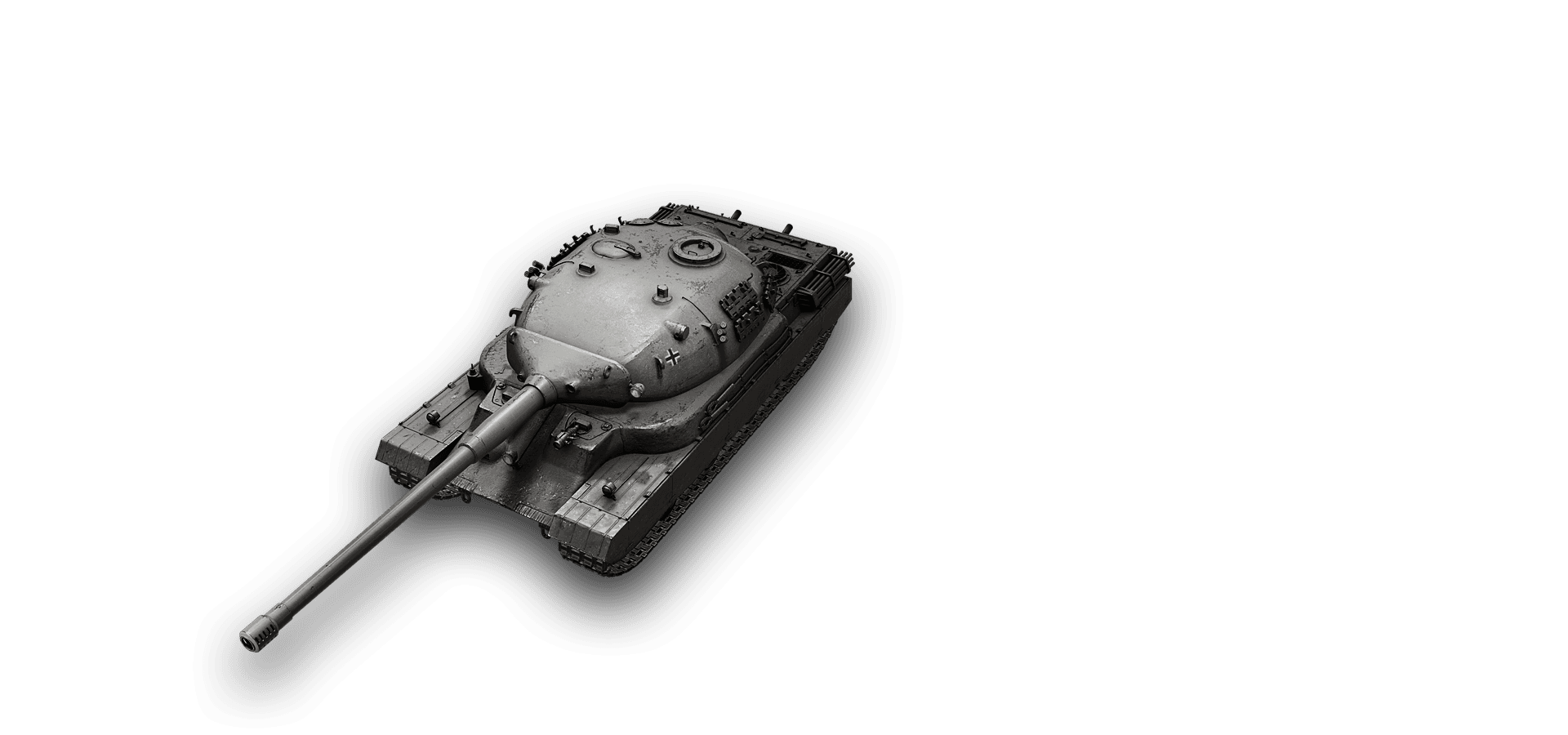
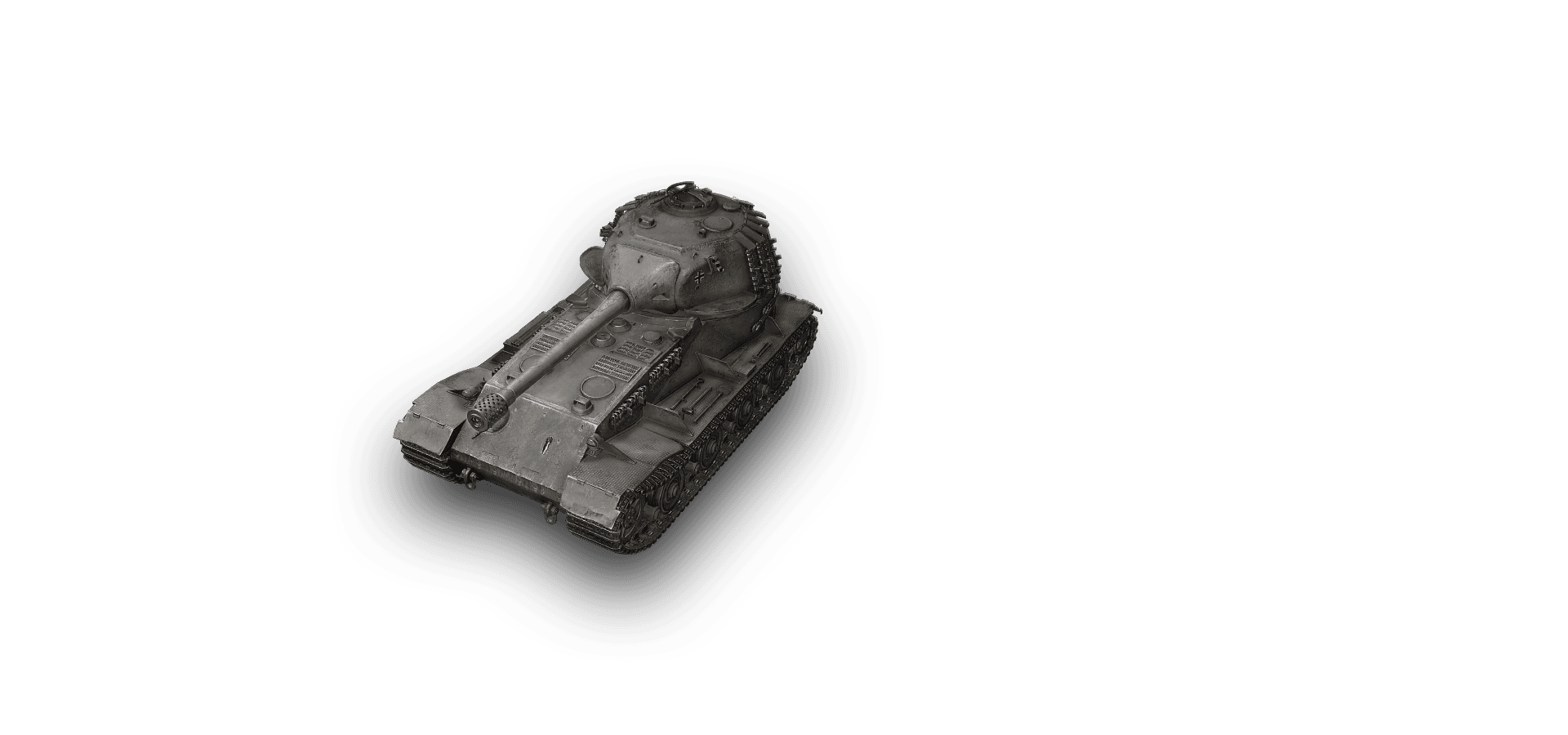
Tanks close to the BZ-79
Same standing among their own tier- 86%match
 Vz. 63PXI
Closest on concealment and gun handling, furthest on firepower
- 85%match
 BZ-75X
Closest on mobility and firepower, furthest on playstyle
- 85%match
 60TP LewandowskiegoX
Closest on firepower and concealment, furthest on playstyle
- 84%matchBZT-70X
Closest on concealment and firepower, furthest on mobility
- 84%match
 SchwertwalX
Closest on concealment and gun handling, furthest on mobility
- 84%matchVK 72.01 (K)X
Closest on concealment and firepower, furthest on mobility