
Cost3,100(~SGD 18.19)
VI Medium tankSniperPremium
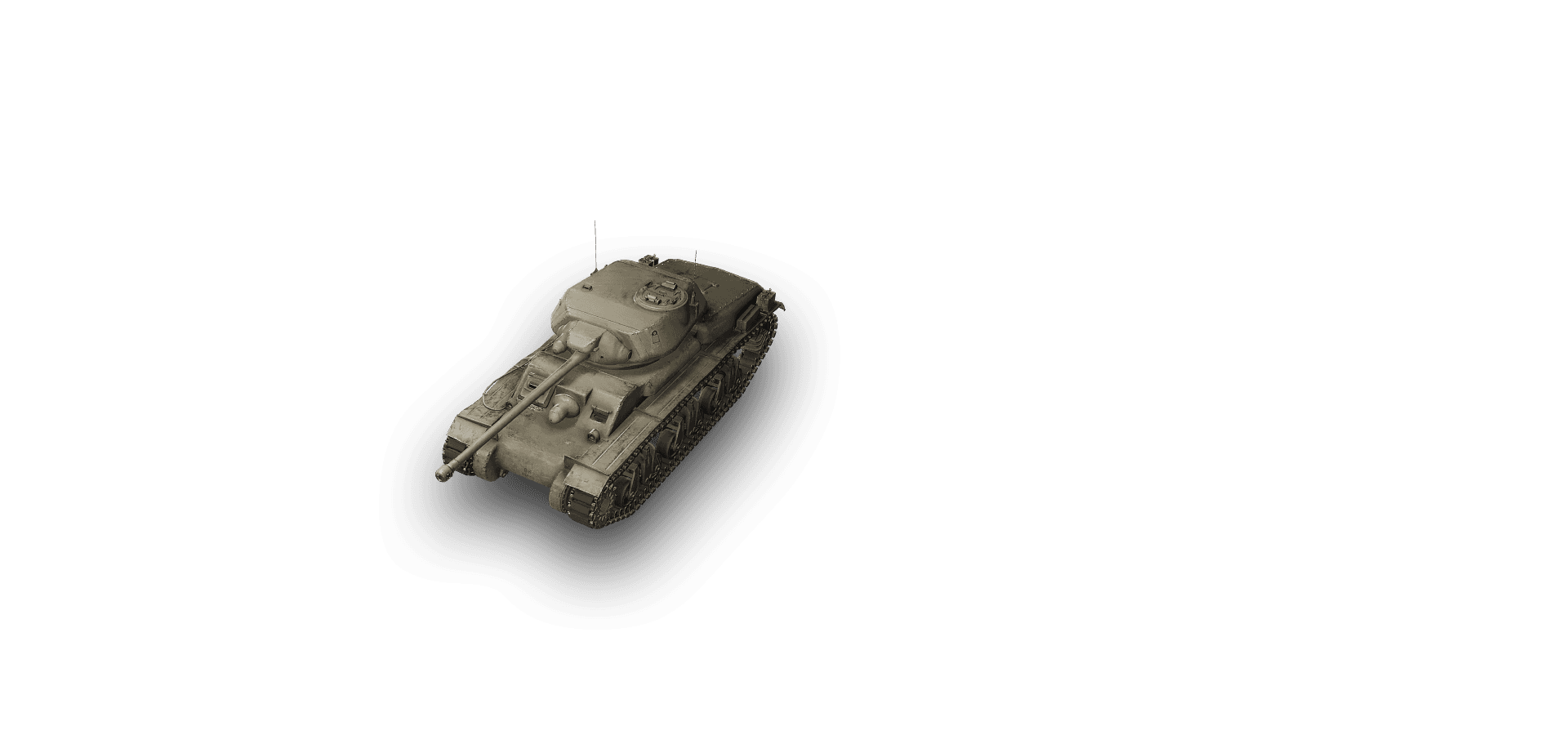
Medium tankSniperPremiumAC 4 Experimental
World of Tanks ASIA statistics for the VI UK medium tank AC 4 Experimental.
AC 4 Experimental characteristics
Firepower
- Damage
- 150hp
- … vs modules
- 105hp
- Penetration
- 171mm
- … at 500m
- 161mm
- DPM
- 1,800
- Reload
- 5.00s
- Rate of fire
- 12.00/min
- Aim time
- 2.10s
- Dispersion
- 0.390m
- … moving
- 0.200
- … hull traverse
- 0.200
- … turret traverse
- 0.120
- … after firing
- 3.50×
- … gun damaged
- 2.00×
- Shell velocity
- 884m/s
- Max range
- 720m
- Caliber
- 76mm
- … potential damage
- 7,500hp
- Shell cost
- 175
- … full ammo
- 8,750
Mobility
- Top speed
- 60km/h
- Reverse speed
- 20km/h
- Engine power
- 330hp
- Power/weight
- 11.6hp/t
- Hull traverse
- 40.0°/s
- Turret traverse
- 44.0°/s
- … hard
- 1.00
- … medium
- 1.20
- … soft
- 2.20
- … hard
- 42.4km/h
- … medium
- 35.4km/h
- … soft
- 19.3km/h
- … hard
- 40.0°/s
- … medium
- 33.3°/s
- … soft
- 18.2°/s
Survivability
- Hit points
- 840hp
- … front
- 65mm
- … side
- 45mm
- … rear
- 45mm
- … front
- 65mm
- … side
- 65mm
- … rear
- 65mm
- Track armor
- 20mm
- Fire chance
- 20.0%
- Track repair time
- 12.03s
- … ammo rack
- 180 / 120hp
- … track
- 120 / 90hp
- … engine
- 104 / 52hp
- … fuel tank
- 150 / 50hp
- … turret ring
- 120 / 60hp
- … viewport
- 80 / 40hp
Spotting & other
- View range
- 360m
- Signal range
- 450m
- … stationary
- 13.7%
- … moving
- 10.3%
- Weight
- 28.4t
Ammunition
Equipment
Consumables
Directives
Field Modifications
Crew Skills
Crew level100%

 Commander
 Driver
 Gunner
 Radio Operator
 Loader
AC 4 Experimental modules

VIIOQF 17-pdr Gun Mk. VIIStock

VIAC 4 ExperimentalStock

IVCadillac "75" x3Stock

VIAC 4 ExperimentalStock

VIIWS No. 19 Mk. II (Aust.)Stock

VIAC 4 Exp.
AC 4 Experimental historical reference
The tank was developed in 1943. An order was placed for 400 vehicles. The prototype was created on the basis of the AC 1 tank with an enlarged superstructure, which allowed mounting a modified turret from the AC 3 tank with a 17-pounder gun. In July 1943, the work on the project was stopped at the final stage, as the program for creating the Australian cruiser tank was discontinued.
AC 4 Experimental videos
No videos yet
No community video for the AC 4 Experimental yet. Suggest one and it shows up here once a moderator has looked at it.