 Medium TankSupportPremium
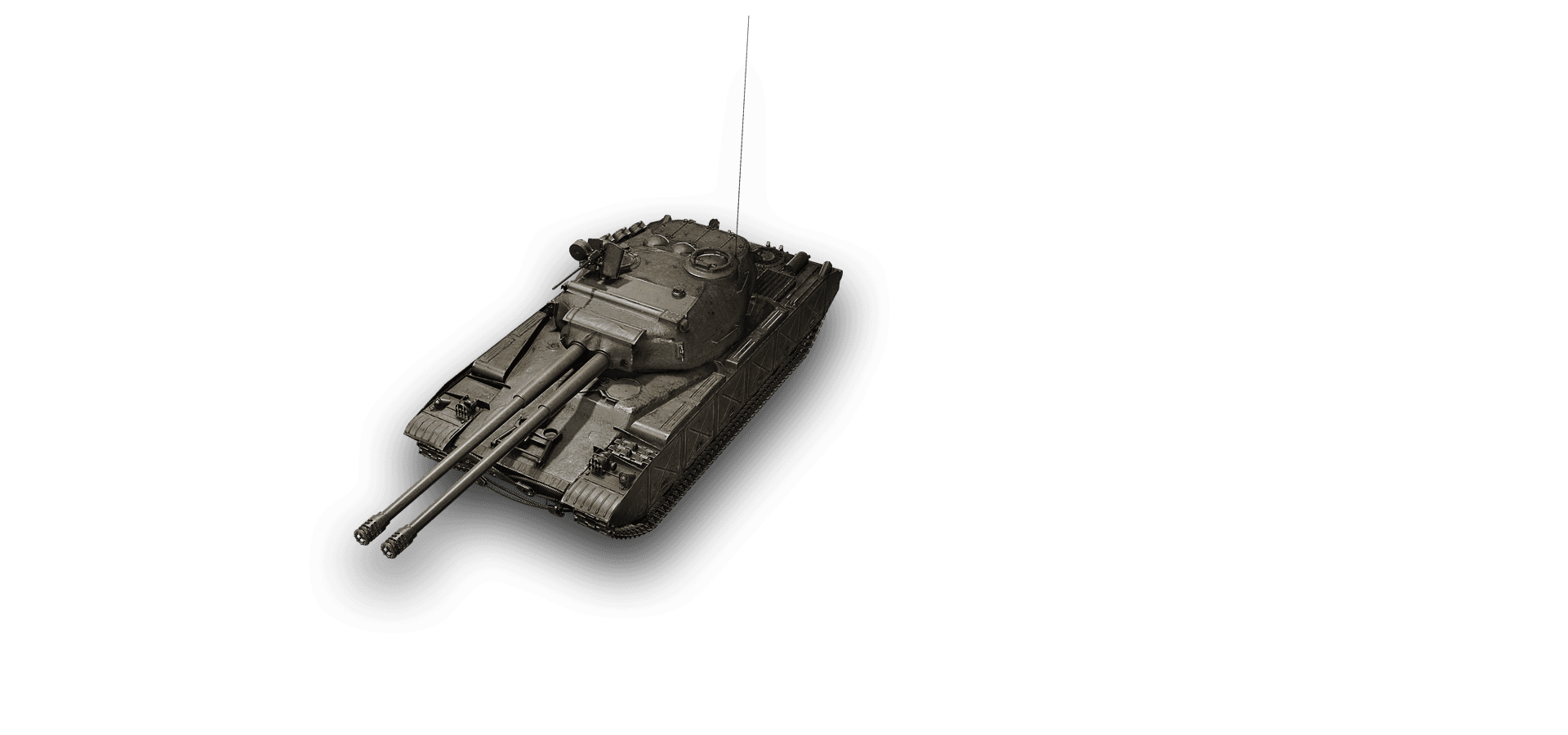
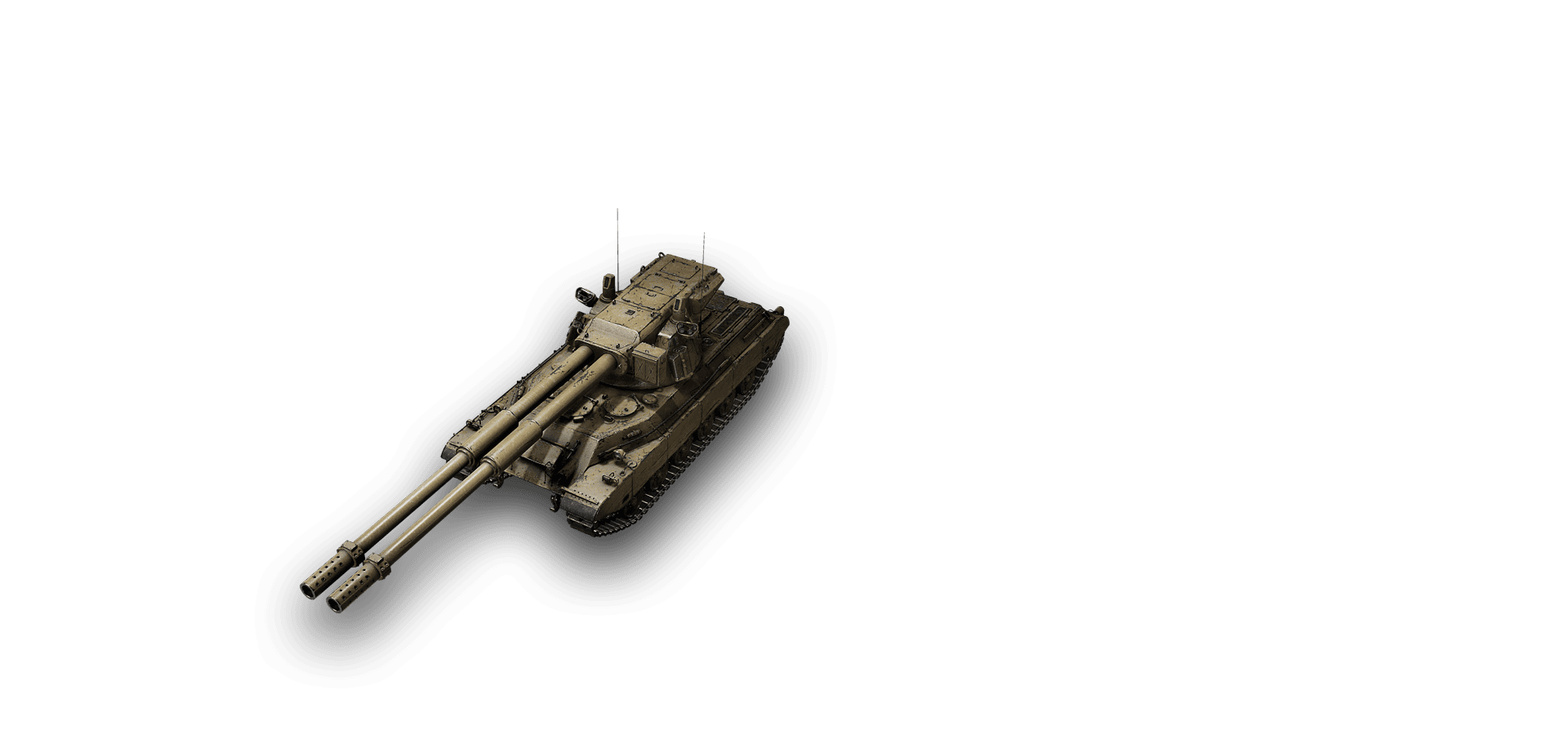
Serpente
World of Tanks NA statistics for the IX Italy medium tank Serpente.
Characteristics of the Serpente
Firepower
- Damage
- 400hp
- … vs modules
- 165hp
- Penetration
- 246mm
- … at 500m
- 230mm
- DPM
- 1,920
- Reload
- 12.50s
- Rate of fire
- 4.80/min
- Aim time
- 2.60s
- Dispersion
- 0.380m
- … moving
- 0.220
- … hull traverse
- 0.220
- … turret traverse
- 0.100
- … after firing
- 4.00×
- … gun damaged
- 2.00×
- Shell velocity
- 1,050m/s
- Max range
- 720m
- Caliber
- 120mm
- … potential damage
- 16,000hp
- Shell cost
- 907
- … full ammo
- 36,280
Mobility
- Top speed
- 55km/h
- Reverse speed
- 20km/h
- Engine power
- 630hp
- Power/weight
- 19.1hp/t
- Hull traverse
- 45.0°/s
- Turret traverse
- 35.0°/s
- … hard
- 1.00
- … medium
- 1.20
- … soft
- 2.00
- … hard
- 55.0km/h
- … medium
- 55.0km/h
- … soft
- 34.9km/h
- … hard
- 45.0°/s
- … medium
- 37.5°/s
- … soft
- 22.5°/s
Survivability
- Hit points
- 1,600hp
- … front
- 80mm
- … side
- 45mm
- … rear
- 35mm
- … front
- 100mm
- … side
- 80mm
- … rear
- 50mm
- Track armor
- 20mm
- Fire chance
- 15.0%
- Track repair time
- 11.70s
- … ammo rack
- 230 / 173hp
- … track
- 220 / 180hp
- … engine
- 310 / 155hp
- … fuel tank
- 200 / 80hp
- … turret ring
- 170 / 85hp
- … viewport
- 110 / 55hp
Spotting & other
- View range
- 390m
- Signal range
- 670m
- … stationary
- 14.8%
- … moving
- 11.1%
- Weight
- 33.0t
Ammunition
Equipment
Consumables
Directives
Field Modifications
Crew Skills

 Commander / Radio Operator
 Gunner / Loader
 Driver
Modules of the Serpente


Historical reference of the Serpente
In the 1960s, the Italian Ministry of Defense determined the requirements for a promising medium tank capable of competing with Warsaw Pact and NATO vehicles. The designers proposed a configuration with an unmanned oscillating turret. The three-man crew was located at the front of the vehicle, with the commander and the gunner observing the battlefield through cameras from there. To meet the military's requirements, armor and the volume of ammunition had to be sacrificed, due to which the tank was planned for ambushing. However, because the cameras had poor image quality and the electronics were unreliable, the project was closed before a prototype was built.
Videos of the Serpente
No community video for the Serpente yet. Suggest one and it shows up here once a moderator has looked at it.
Tanks close to the Serpente
Same standing among their own tier- 87%match
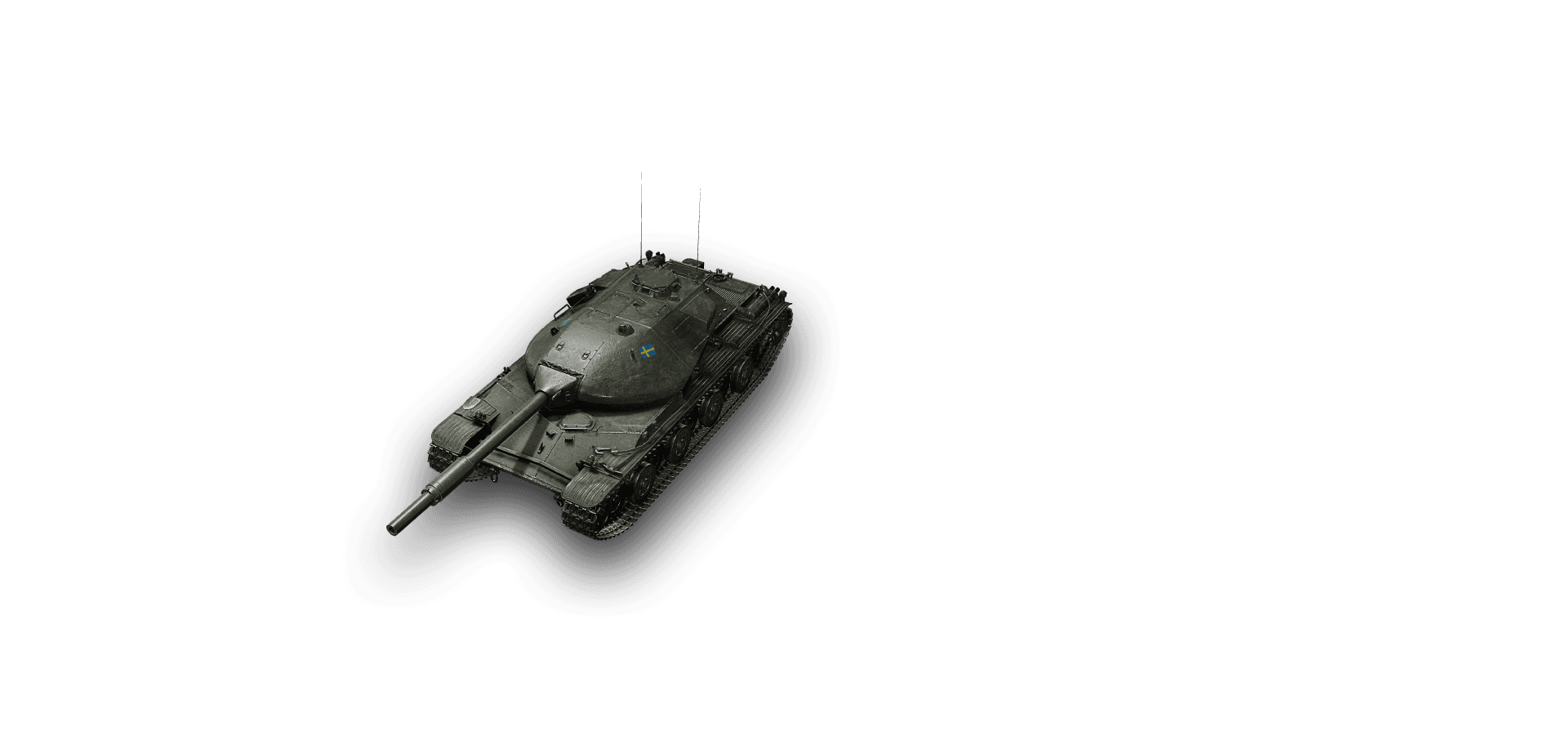
 Vz. 62 JasanIX
Closest on concealment and survivability, furthest on firepower
- 87%matchSDT-58 VlkodavIX
Closest on concealment and playstyle, furthest on firepower
- 87%match
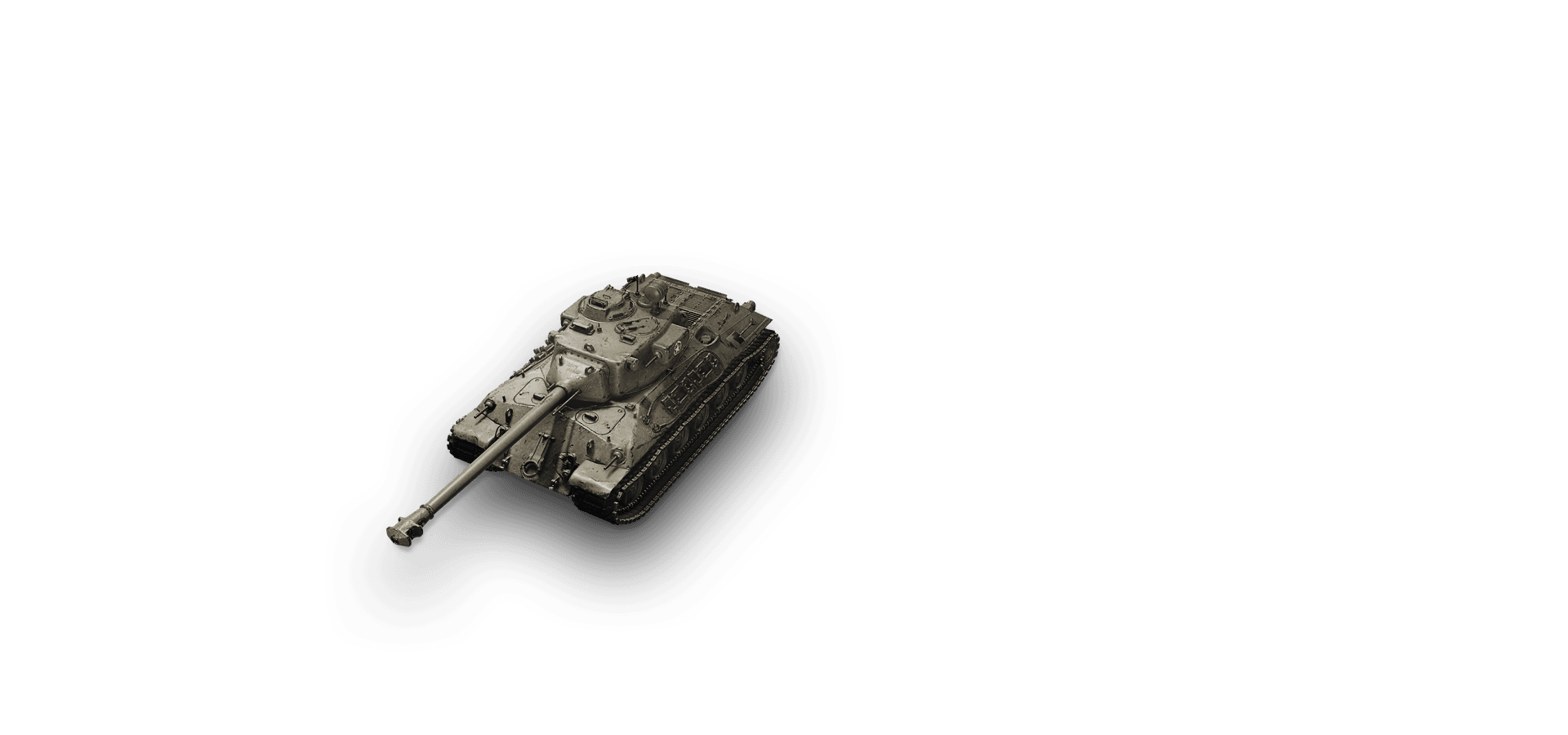
 StridsyxaVIII
Closest on concealment and playstyle, furthest on gun handling
- 86%match
 Char MuratIX
Closest on concealment and playstyle, furthest on firepower
- 86%match
 IMTVIII
Closest on concealment and playstyle, furthest on survivability
- 85%matchChrysler MTC 2TCVIII
Closest on concealment and playstyle, furthest on gun handling