 Medium tankSniper
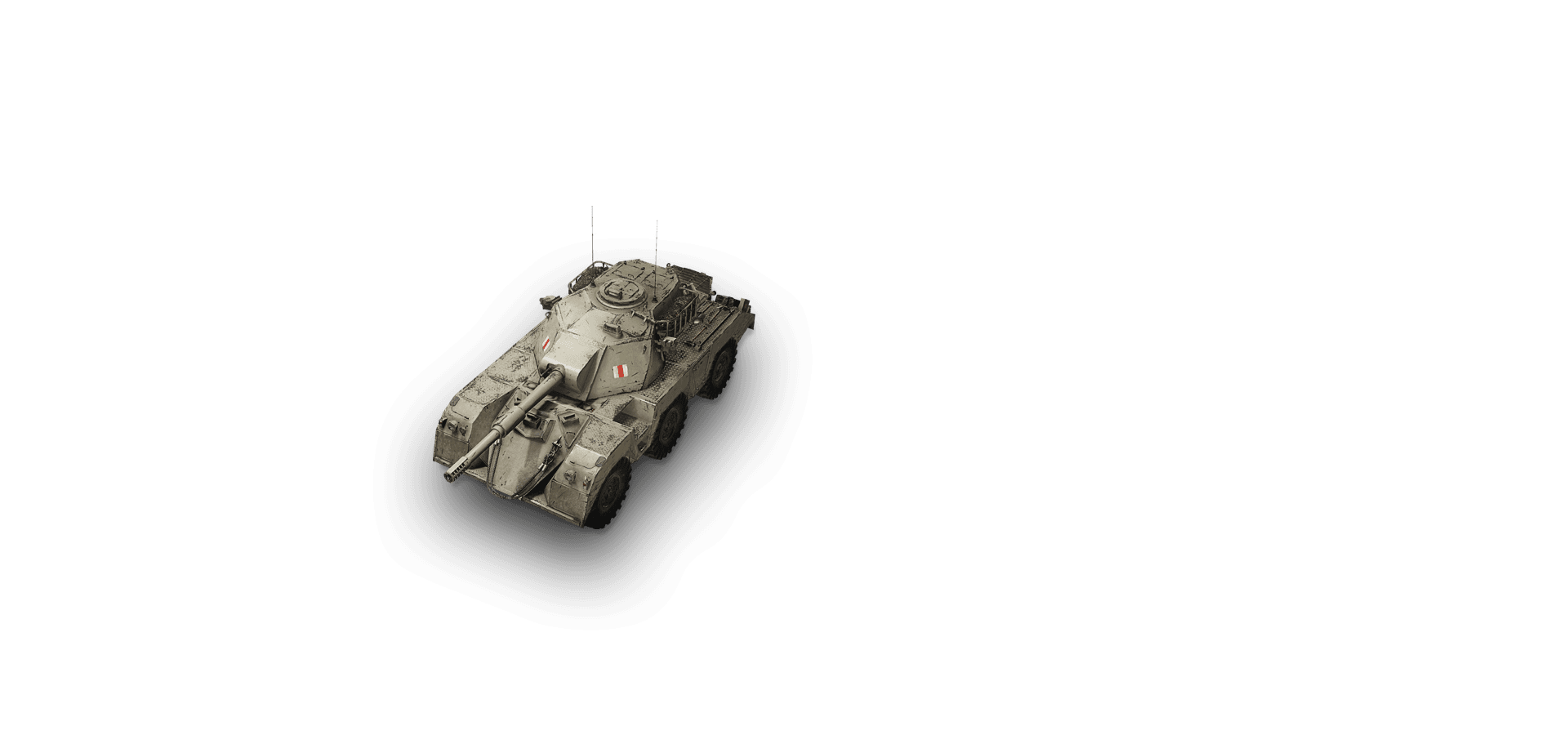
GSOR 1006 Scheme 7
World of Tanks NA statistics for the IX UK medium tank GSOR 1006 Scheme 7.
GSOR 1006 Scheme 7 tech tree branch


GSOR 1006 Scheme 7 characteristics
Firepower
- Damage
- 280hp
- … vs modules
- 122hp
- Penetration
- 221mm
- … at 500m
- 201mm
- DPM
- 2,710
- Reload
- 6.20s
- Rate of fire
- 9.68/min
- Aim time
- 1.90s
- Dispersion
- 0.340m
- … moving
- 0.120
- … hull traverse
- 0.120
- … turret traverse
- 0.080
- … after firing
- 3.00×
- … gun damaged
- 2.00×
- Shell velocity
- 980m/s
- Max range
- 720m
- Caliber
- 90mm
- … potential damage
- 14,000hp
- Shell cost
- 560
- … full ammo
- 28,000
Mobility
- Top speed
- 65km/h
- Reverse speed
- 32km/h
- Engine power
- 525hp
- Power/weight
- 25.7hp/t
- Hull traverse
- 30.0°/s
- Turret traverse
- 50.0°/s
- … hard
- 1.00
- … medium
- 1.10
- … soft
- 1.90
- … hard
- 65.0km/h
- … medium
- 65.0km/h
- … soft
- 49.4km/h
- … hard
- 30.0°/s
- … medium
- 27.3°/s
- … soft
- 15.8°/s
Survivability
- Hit points
- 1,620hp
- … front
- 60mm
- … side
- 35mm
- … rear
- 20mm
- … front
- 60mm
- … side
- 30mm
- … rear
- 20mm
- Fire chance
- 15.0%
- Track repair time
- 20.05s
- … ammo rack
- 240 / 160hp
- … track
- 230 / 175hp
- … engine
- 247 / 123hp
- … fuel tank
- 200 / 70hp
- … turret ring
- 150 / 75hp
- … viewport
- 110 / 55hp
Spotting & other
- View range
- 380m
- Signal range
- 750m
- … stationary
- 12.0%
- … moving
- 9.1%
- Weight
- 20.5t
Ammunition
Equipment
Consumables
Directives
Field Modifications
Crew Skills

 Commander / Radio Operator
 Gunner / Loader
 Driver
GSOR 1006 Scheme 7 modules


GSOR 1006 Scheme 7 historical reference
This project was developed by the British School of Tank Technology (STT) in 1961. The vehicle with low weight and the highest possible firepower was intended for reconnaissance and support. Within the GSOR 1006 project, more than ten layouts were developed, both tracked and wheeled. One of these was the GSOR 1006 Scheme 7. The project existed only in blueprints, but was later merged with the GSOR 1010 and became the foundation for further development, culminating in the creation of the Combat Vehicle Reconnaissance (Tracked) family.
GSOR 1006 Scheme 7 videos
No community video for the GSOR 1006 Scheme 7 yet. Suggest one and it shows up here once a moderator has looked at it.
Tanks like the GSOR 1006 Scheme 7
Same standing among their own tier- 92%match
 Concept No. 5X
Closest on gun handling and mobility, furthest on firepower
- 90%matchGSOR 1010 FBVIII
Closest on gun handling and mobility, furthest on firepower
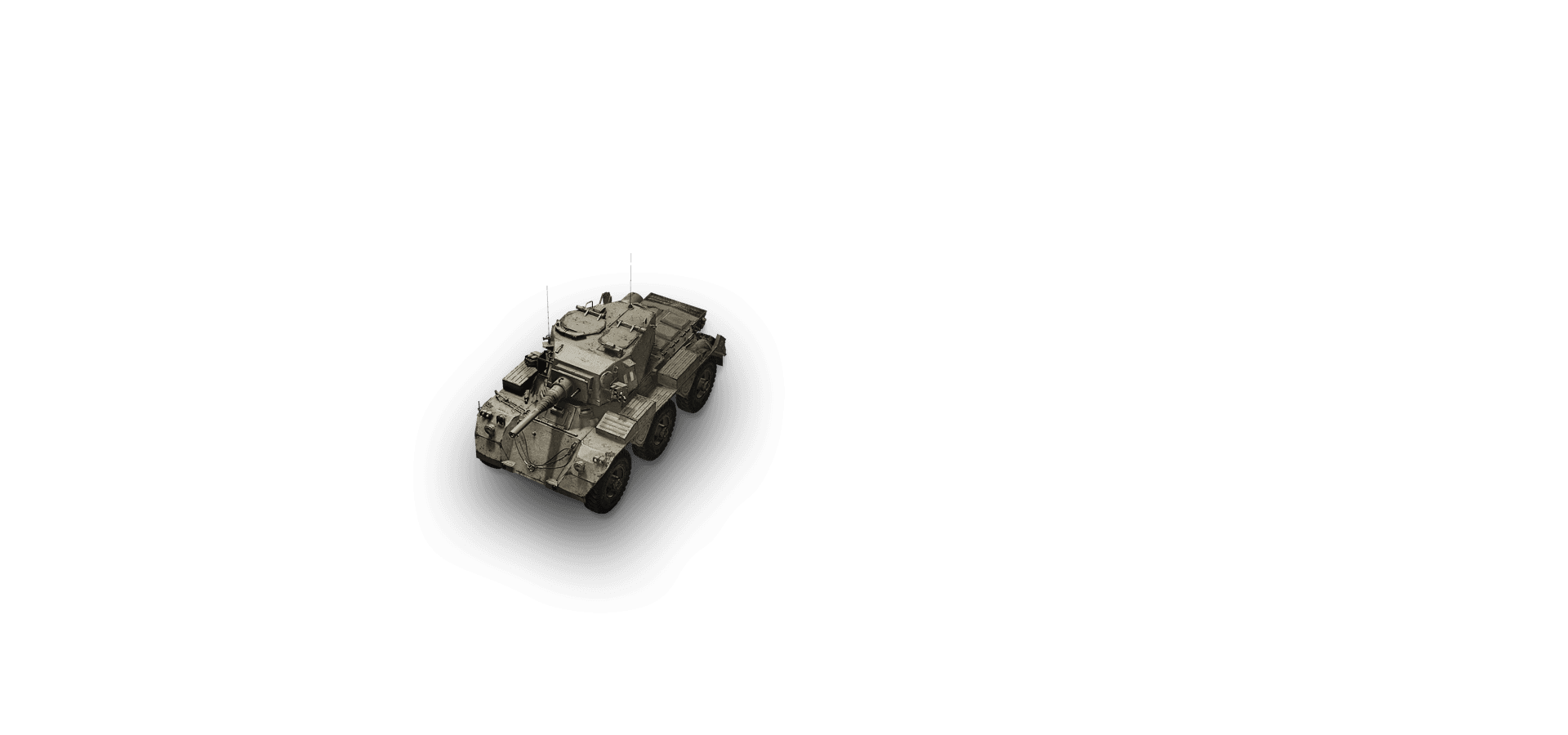
- 88%matchFV601 SaladinVIII
Closest on mobility and gun handling, furthest on concealment
- 86%match
 AMX 30 1er prototypeIX
Closest on mobility and concealment, furthest on survivability
- 84%match
 STA-2VIII
Closest on mobility and playstyle, furthest on firepower
- 83%match
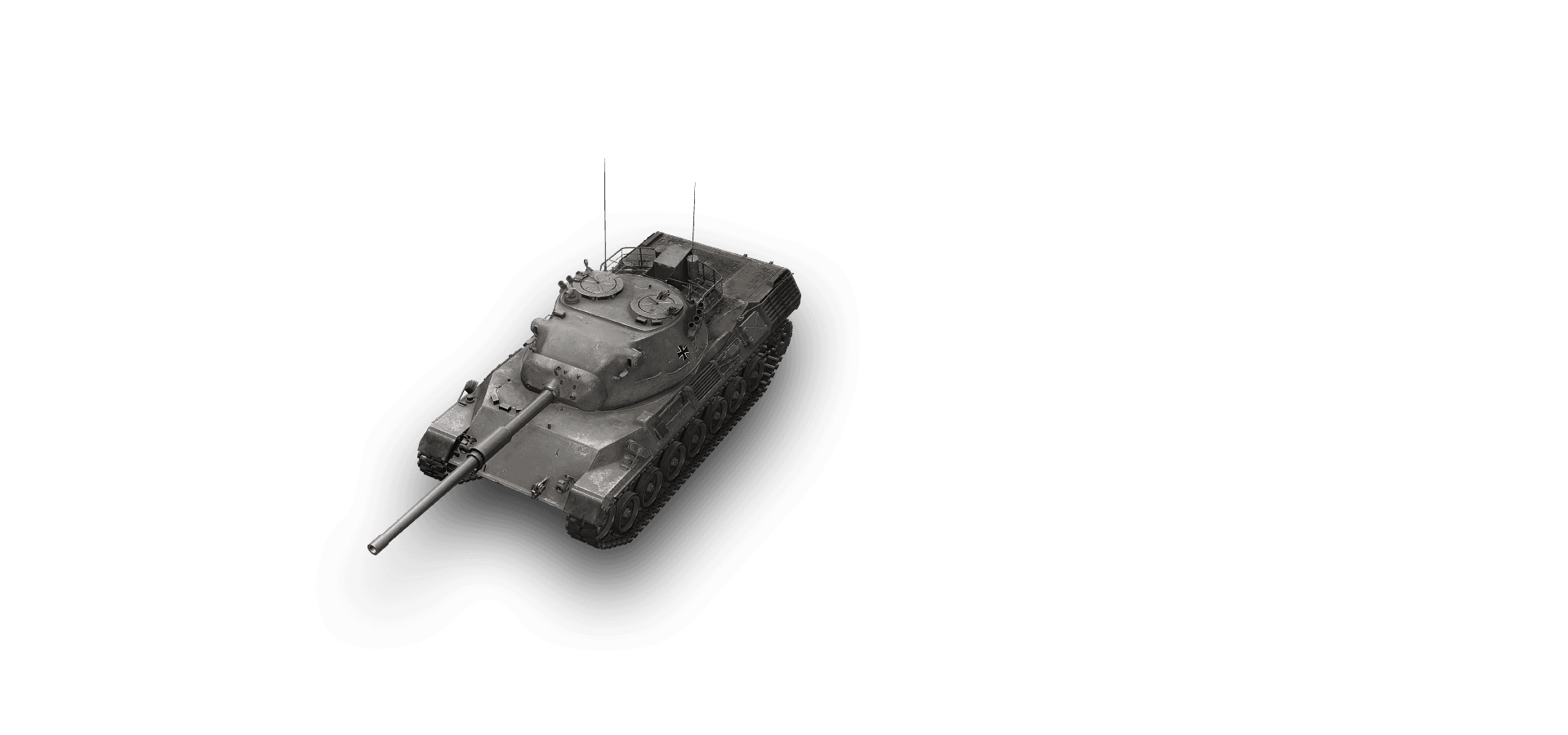
 Leopard 1X
Closest on gun handling and playstyle, furthest on firepower