 Heavy tankBreakthroughPremium
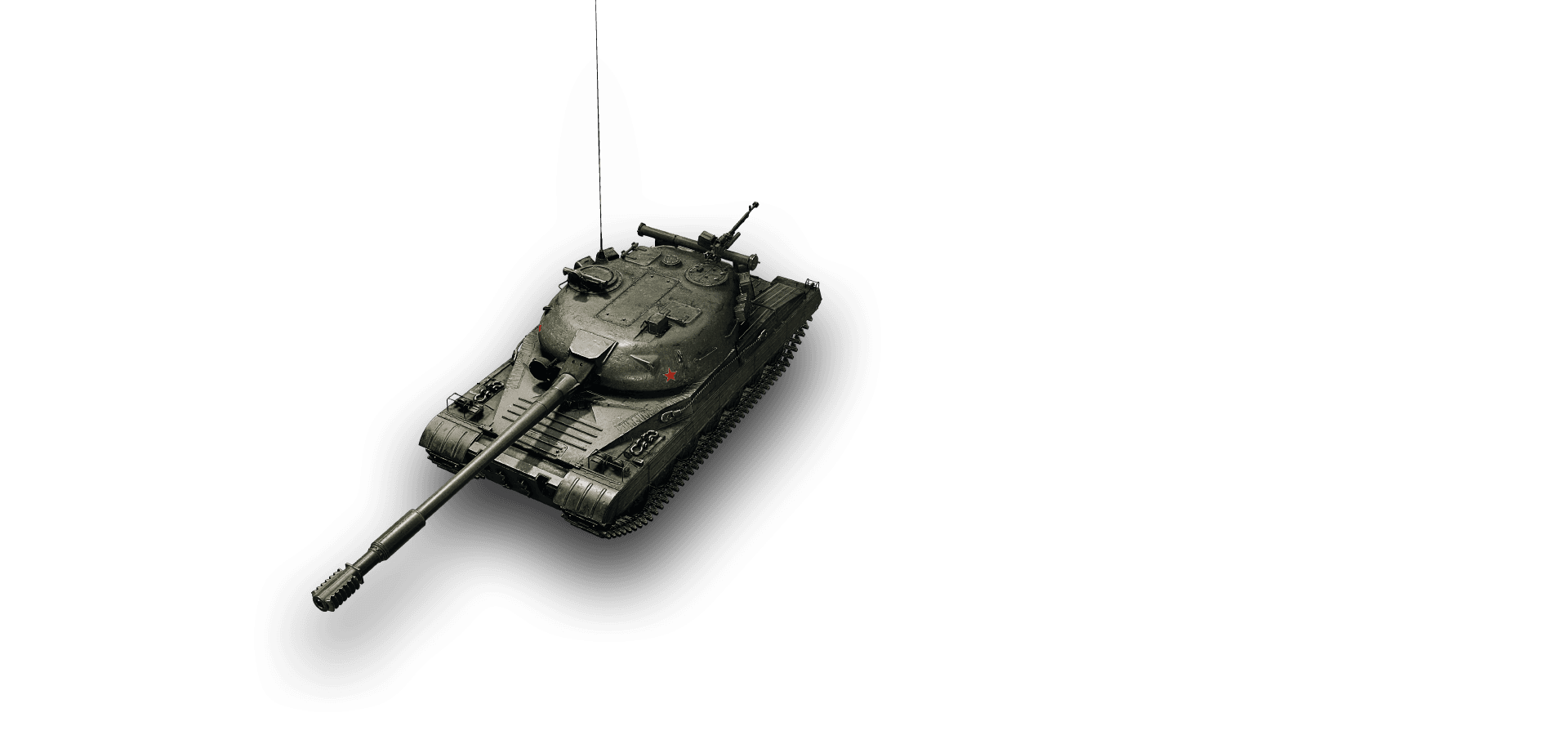
Buryan
World of Tanks EU statistics for the IX USSR heavy tank Buryan.
Buryan characteristics
Firepower
- Damage
- 520hp
- … vs modules
- 180hp
- Penetration
- 255mm
- … at 500m
- 245mm
- DPM
- 2,644
- Reload
- 11.80s
- Rate of fire
- 5.08/min
- Aim time
- 2.50s
- Dispersion
- 0.420m
- … moving
- 0.180
- … hull traverse
- 0.180
- … turret traverse
- 0.100
- … after firing
- 3.00×
- … gun damaged
- 2.00×
- Shell velocity
- 1,030m/s
- Max range
- 720m
- Caliber
- 130mm
- Ammo capacity
- 38
- … potential damage
- 19,760hp
- Shell cost
- 1,223
- … full ammo
- 46,474
- Gun depression
- 15°
- Gun elevation
- 7°
- Gun traverse range
- 360°
Mobility
- Top speed
- 38km/h
- Reverse speed
- 15km/h
- Engine power
- 900hp
- Power/weight
- 16.4hp/t
- Hull traverse
- 42.0°/s
- Turret traverse
- 30.0°/s
- … hard
- 1.00
- … medium
- 1.20
- … soft
- 2.00
- … hard
- 38.0km/h
- … medium
- 38.0km/h
- … soft
- 29.9km/h
- … hard
- 42.0°/s
- … medium
- 35.0°/s
- … soft
- 21.0°/s
Survivability
- Hit points
- 1,900hp
- … front
- 245mm
- … side
- 80mm
- … rear
- 50mm
- … front
- 250mm
- … side
- 100mm
- … rear
- 60mm
- Track armor
- 20mm
- Fire chance
- 15.0%
- Track repair time
- 11.70s
- … ammo rack
- 230 / 173hp
- … track
- 240 / 180hp
- … engine
- 310 / 155hp
- … fuel tank
- 200 / 80hp
- … turret ring
- 170 / 85hp
- … viewport
- 110 / 55hp
Spotting & other
- View range
- 390m
- Signal range
- 670m
- … stationary
- 5.5%
- … moving
- 2.7%
- Weight
- 55.0t
Ammunition
Equipment
Consumables
Directives
Field Modifications
Crew Skills

 Commander / Radio Operator
 Gunner
 Driver
 Loader
 Loader
Buryan modules


Buryan historical reference
One area of post-war research was studying crew ergonomics and the optimal crew size. The "NIR 1476" project (unofficially named "Buryan") was developed based on the obtained data. It aimed to translate the results of the anthropometric research into tank design. With a conventional layout, a spacious turret, and two loaders, the vehicle offered a high rate of fire; however, a weight of 55 tons, the turret's increased side projection, and the absence of a driver's hatch made it unwieldy. Reinforcement of the sloped hull front further increased the weight, and the only suitable engine for the tank (the 6TD) only existed as a design project at the time. The development was not successful as the engineers were unable to combine the weight and dimensions, armor, and anthropometrics. In addition, by the late 1950s, layouts with autoloaders had come into existence, making it possible to reduce the crew size and decrease the weight and frontal projection as well as increase the fire rate.