
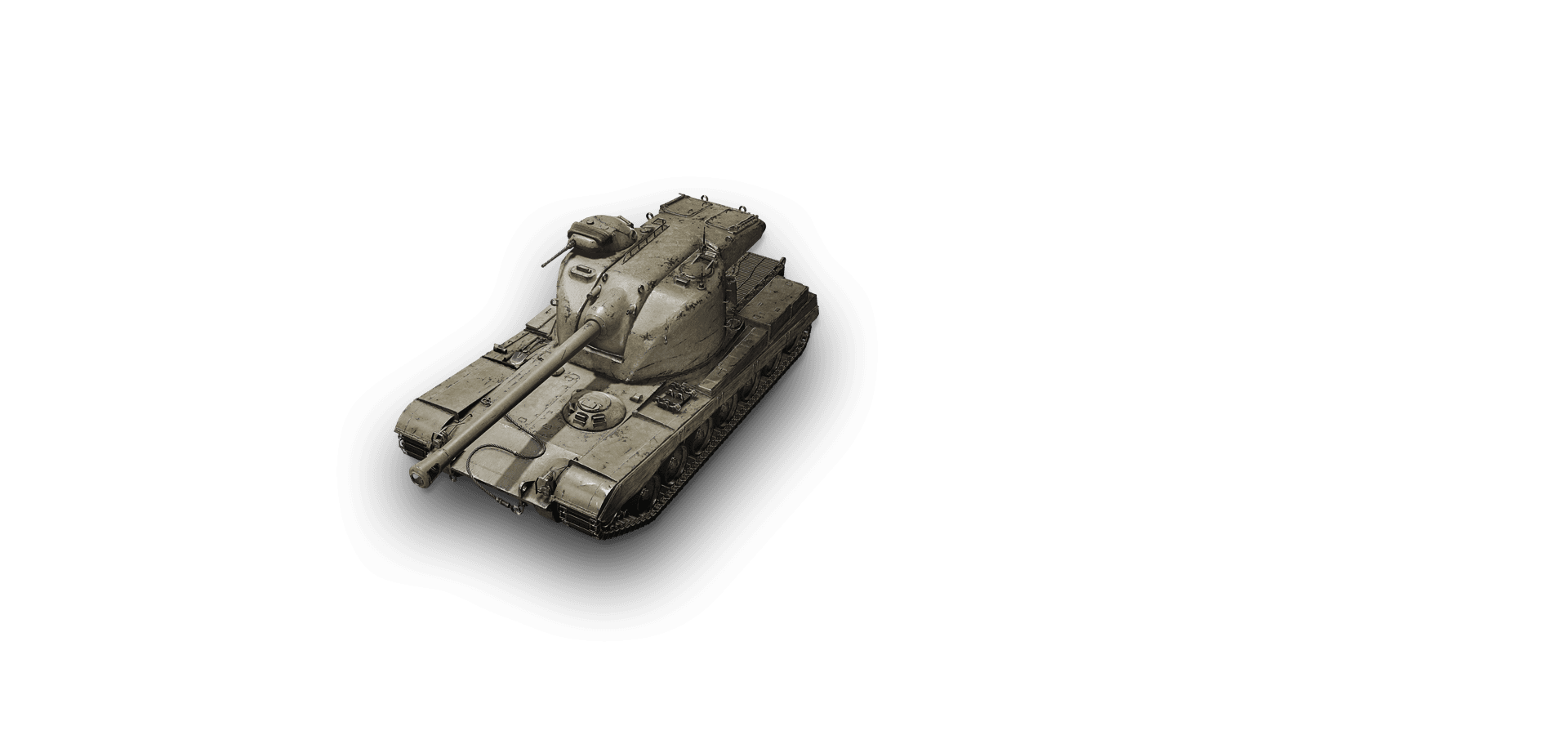
 Heavy tankSupportPremium
H3
World of Tanks ASIA statistics for the IX USA heavy tank H3.
H3 characteristics
Firepower
- Damage
- 400hp
- … vs modules
- 165hp
- Penetration
- 248mm
- … at 500m
- 238mm
- DPM
- 2,500
- Reload
- 28.00s
- … intra-clip
- 5.00s
- … clip damage
- 2,000hp
- Rate of fire
- 6.25/min
- Aim time
- 2.20s
- Dispersion
- 0.330m
- … moving
- 0.160
- … hull traverse
- 0.160
- … turret traverse
- 0.100
- … after firing
- 4.00×
- … gun damaged
- 2.00×
- Shell velocity
- 1,045m/s
- Max range
- 720m
- Caliber
- 120mm
- … potential damage
- 16,000hp
- Shell cost
- 915
- … full ammo
- 36,600
Mobility
- Top speed
- 46km/h
- Reverse speed
- 16km/h
- Engine power
- 1,050hp
- Power/weight
- 16.9hp/t
- Hull traverse
- 36.0°/s
- Turret traverse
- 36.0°/s
- … hard
- 1.00
- … medium
- 1.20
- … soft
- 2.00
- … hard
- 46.0km/h
- … medium
- 46.0km/h
- … soft
- 31.0km/h
- … hard
- 36.0°/s
- … medium
- 30.0°/s
- … soft
- 18.0°/s
Survivability
- Hit points
- 1,700hp
- … front
- 140mm
- … side
- 64mm
- … rear
- 51mm
- … front
- 222mm
- … side
- 146mm
- … rear
- 51mm
- Track armor
- 20mm
- Fire chance
- 20.0%
- Track repair time
- 11.70s
- … ammo rack
- 230 / 173hp
- … track
- 240 / 180hp
- … engine
- 310 / 155hp
- … fuel tank
- 200 / 70hp
- … turret ring
- 170 / 85hp
- … viewport
- 110 / 55hp
Spotting & other
- View range
- 390m
- Signal range
- 670m
- … stationary
- 3.7%
- … moving
- 1.9%
- Weight
- 62.0t
Ammunition
Equipment
Consumables
Directives
Field Modifications
Crew Skills

 Commander / Radio Operator
 Gunner
 Driver
 Loader
H3 modules


H3 historical reference
In the second half of the 1940s, the U.S. was carrying out unhurried work on a heavy tank and had not moved beyond the prototype phase. The Korean War was a strong impetus to progress, and the early 1950s saw the appearance of the T43 heavy tank, which transformed into the serially produced M103 heavy tank. Work then began on designing heavier tanks, and the H3 heavy tank was among the presented concepts. The U.S. clearly drew upon experience of the French AMX 50 in its creation. The vehicle was equipped with an oscillating turret and an autoloader but remained an original design—this also concerned the turret. The hull was made as low as possible. In addition, the tank had a high power-to-weight ratio. Work on the H3 heavy tank did not go beyond design proposals.
H3 videos
No community video for the H3 yet. Suggest one and it shows up here once a moderator has looked at it.